Two-choice problem solving
1–2 yearsFamily ConnectionNo materials needed
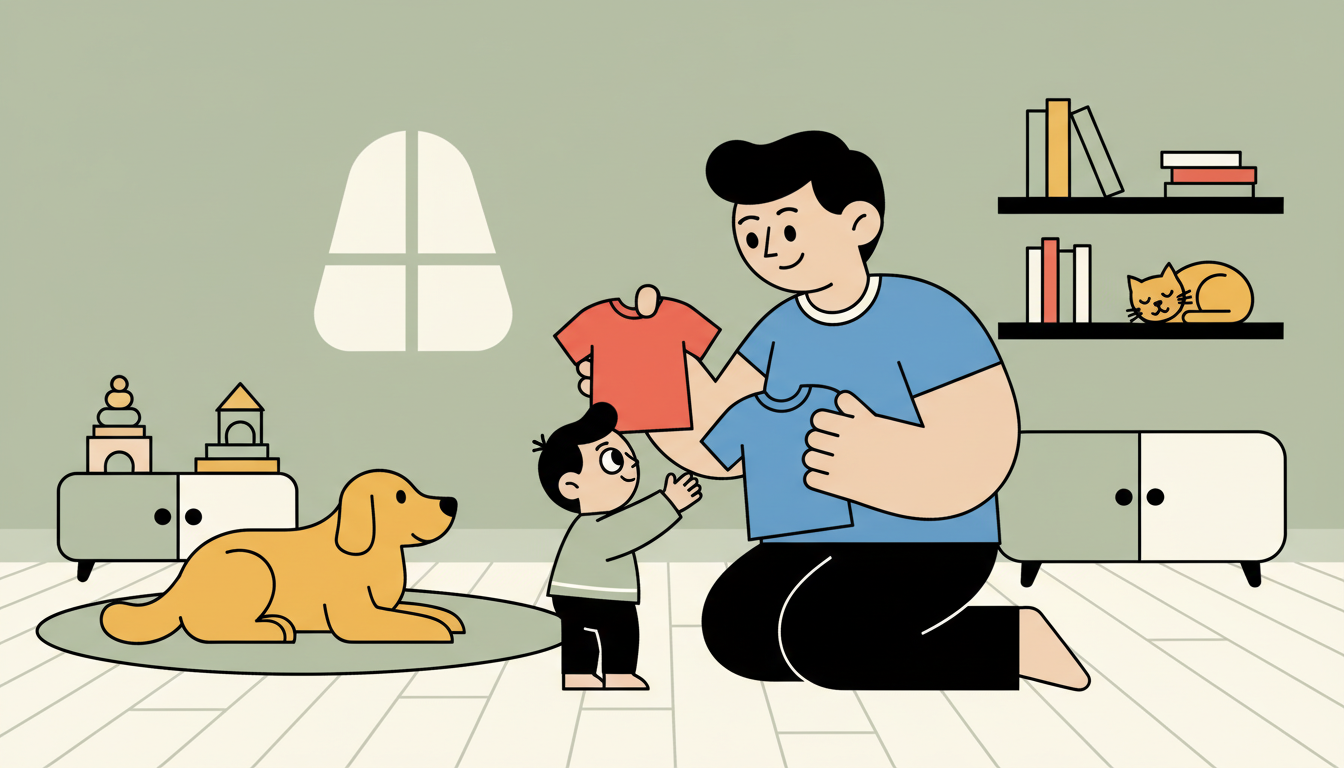
When a conflict arises, offer your child two simple choices to resolve it. For example, if they don't want to get dressed, say 'Red shirt or blue shirt?' This gives them a sense of control while still moving forward. Keep choices simple and show both options. This teaches early problem-solving and compromise.
Part of the Imprint developmental journey — personalized to your child.
How to Do This Activity
When a conflict arises, offer your child two simple choices to resolve it. For example, if they don't want to get dressed, say 'Red shirt or blue shirt?' This gives them a sense of control while still moving forward. Keep choices simple and show both options. This teaches early problem-solving and compromise.
Why It Works
At 12-24 months, children are developing basic problem-solving abilities through trial and error. Offering two choices respects their growing autonomy while teaching that conflicts can have multiple solutions. This approach reduces power struggles and models collaborative problem-solving. Children who learn these collaborative problem-solving approaches maintain stronger family bonds across developmental transitions (Robin & Foster, 1989). Early exposure to problem-solving skills leads to significantly better peer relationships and 25% fewer behavioral problems (Webster-Stratton & Reid, 2004).
Tips for Parents
Hold up both choices or point to them so your child can see what you mean. Visual support helps at this age.
Stay calm and patient while they choose. It may take a minute for them to decide, and that's okay.
Materials Needed
None
Learning Methods
Language-Rich EnvironmentImitation and Modeling

Loved this activity? Let us do the planning for you.
Imprint personalizes every activity to your child — their interests, their stage, the traits they're building — so playtime is more fun and every moment counts.
Science-backed. Private by design. No spam.