Respect sleep and hunger rhythms
6–12 monthsFamily ConnectionNo materials needed
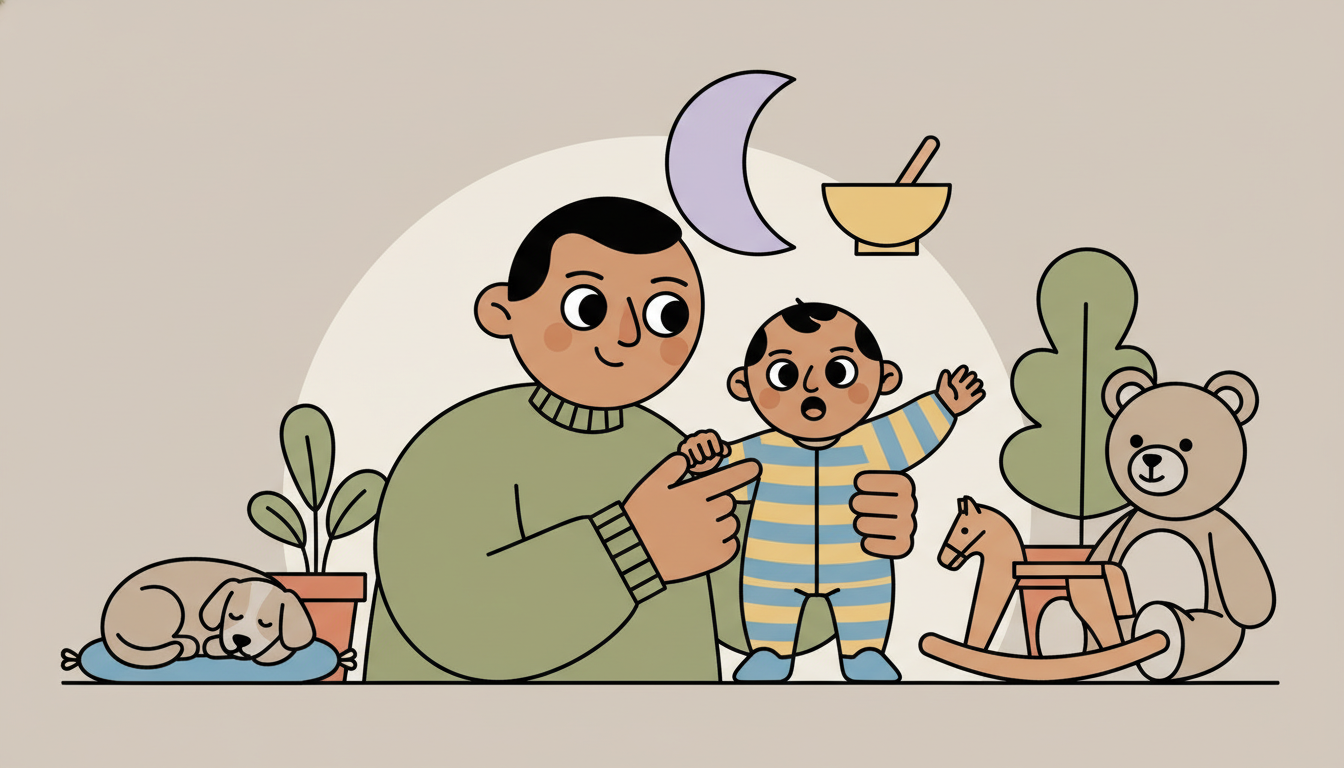
Pay attention to your child's signals about when they're tired or hungry. Offer food or nap time when they show cues, rather than by the clock alone. This shows your child that their internal signals matter. They learn to trust their own body's messages. You build a partnership rather than imposing a rigid schedule.
Part of the Imprint developmental journey — personalized to your child.
How to Do This Activity
Pay attention to your child's signals about when they're tired or hungry. Offer food or nap time when they show cues, rather than by the clock alone. This shows your child that their internal signals matter. They learn to trust their own body's messages. You build a partnership rather than imposing a rigid schedule.
Why It Works
Respecting your baby's preferences and rhythms is a foundational autonomy practice. Adults who experienced supportive encouragement of independence report 40% higher relationship satisfaction (Ryan & Deci, 2000). This responsive approach helps your child develop body awareness and self-regulation. Children with healthy independence maintain stronger family bonds while developing self-efficacy (Soenens & Vansteenkiste, 2010). You teach that their signals and preferences have value.
Tips for Parents
Learn your child's unique tired signs. Some rub their eyes, others get fussy or quiet.
Offer food when your child shows interest, even if it's off schedule. Responsive feeding supports autonomy.
Keep a loose routine that has flexibility. Structure helps, but rigidity can work against your child's needs.
Materials Needed
None
Learning Methods
Movement-Based LearningSensory Exploration

Loved this activity? Let us do the planning for you.
Imprint personalizes every activity to your child — their interests, their stage, the traits they're building — so playtime is more fun and every moment counts.
Science-backed. Private by design. No spam.