Calm transition helper
6–12 monthsFamily ConnectionNo materials needed
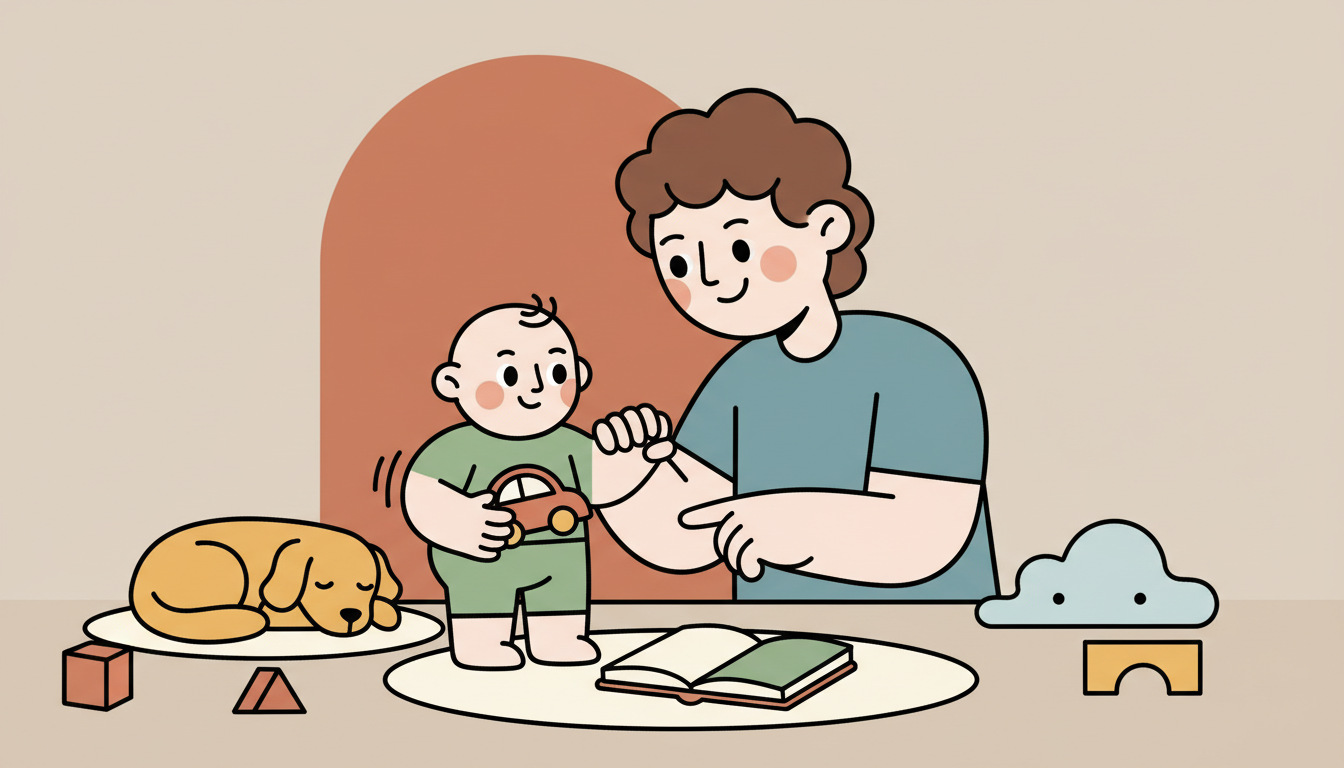
When your child resists ending playtime or changing activities, practice staying calm and using a gentle, consistent approach. Take a deep breath, speak in a soft voice, and give simple cues like showing the next activity. This teaches your child that transitions can be peaceful rather than stressful.
Part of the Imprint developmental journey — personalized to your child.
How to Do This Activity
When your child resists ending playtime or changing activities, practice staying calm and using a gentle, consistent approach. Take a deep breath, speak in a soft voice, and give simple cues like showing the next activity. This teaches your child that transitions can be peaceful rather than stressful.
Why It Works
Your calm response during transitions builds the foundation for healthy conflict resolution. When you stay regulated during your child's dysregulation, you teach co-regulation skills that become internal capacities later. Research shows that collaborative problem-solving approaches in families predict better parent-child relationships during adolescence and young adulthood (Robin & Foster, 1989). These early co-regulation experiences lay the groundwork for those future skills.
Tips for Parents
Take three slow breaths before responding to resistance. This helps you stay regulated.
Use the same phrase each time, like "Time to change" with a gentle tone.
Stay close and offer comfort if your child becomes upset during the transition.
Materials Needed
None
Learning Methods
Responsive Interaction

Loved this activity? Let us do the planning for you.
Imprint personalizes every activity to your child — their interests, their stage, the traits they're building — so playtime is more fun and every moment counts.
Science-backed. Private by design. No spam.