The frustration practice

4–5 yearsSuccess MindsetMaterials: Materials for chosen challenge such as shoes with laces, small pitcher and cups, or paper and child-safe scissors

Introduce an activity that is just beyond your child's current ability. It might be tying shoes, pouring water without spilling, or cutting along a curved line. Expect mistakes and plan for them. When frustration appears, name it together. Say 'This is the learning feeling. Your brain is working hard.' Practice for just a few minutes, then stop before meltdown occurs. Return to it the next day. Over time, your child learns that frustration is temporary and practice makes difficult things easier.

Part of the Imprint developmental journey — personalized to your child.
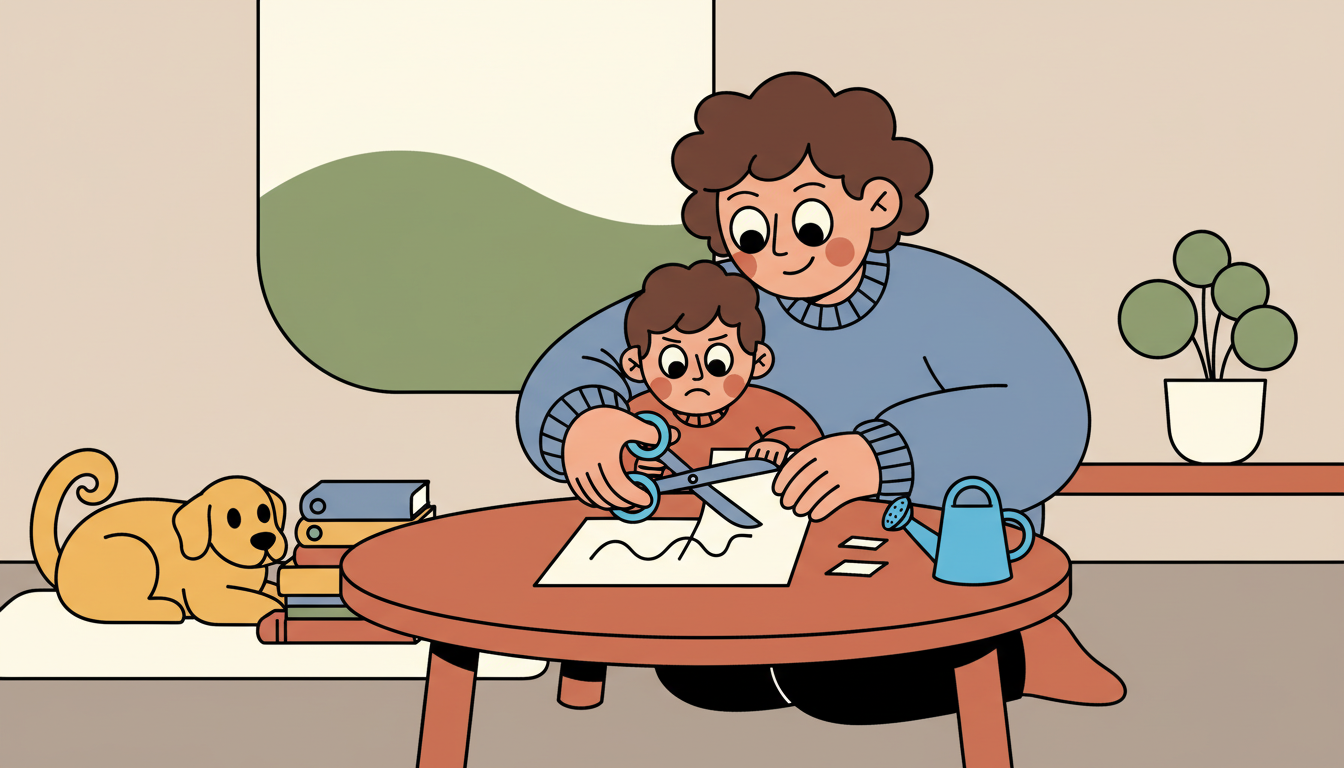
The frustration practice

How to Do This Activity

Introduce an activity that is just beyond your child's current ability. It might be tying shoes, pouring water without spilling, or cutting along a curved line. Expect mistakes and plan for them. When frustration appears, name it together. Say 'This is the learning feeling. Your brain is working hard.' Practice for just a few minutes, then stop before meltdown occurs. Return to it the next day. Over time, your child learns that frustration is temporary and practice makes difficult things easier.

Why It Works

Learning to work through frustration and boredom is essential for developing grit. Research shows that gritty students are 30-40% more likely to complete challenging tasks, with effects beginning in early childhood through persistence on challenging tasks (Duckworth et al., 2007). By deliberately practicing with difficult tasks in a supported environment, children learn that frustration is a normal part of learning rather than a signal to quit. This aligns with evidence showing that perseverance of effort has stronger correlations with academic achievement than natural ability. Teaching children to recognize and work through frustration builds the perseverance component of grit.

Tips for Parents

Keep sessions very short at first. Two to three minutes of productive struggle is better than 15 minutes of tears. Celebrate small wins within the larger challenge. Notice when they got closer, even if not perfect. Share stories of things that were once hard for you but became easy with practice.

Materials Needed

Materials for chosen challenge such as shoes with laces, small pitcher and cups, or paper and child-safe scissors

Learning Methods

Project-Based and Thematic LearningGuided Discovery and InquiryMetacognitive Strategies

Loved this activity? Let us do the planning for you.

Imprint personalizes every activity to your child — their interests, their stage, the traits they're building — so playtime is more fun and every moment counts.

Science-backed. Private by design. No spam.

Learn how Imprint works →