Teach each other games
4–5 yearsFamily ConnectionMaterials: Playing cards, dice, or simple board games
Paper to write down game names
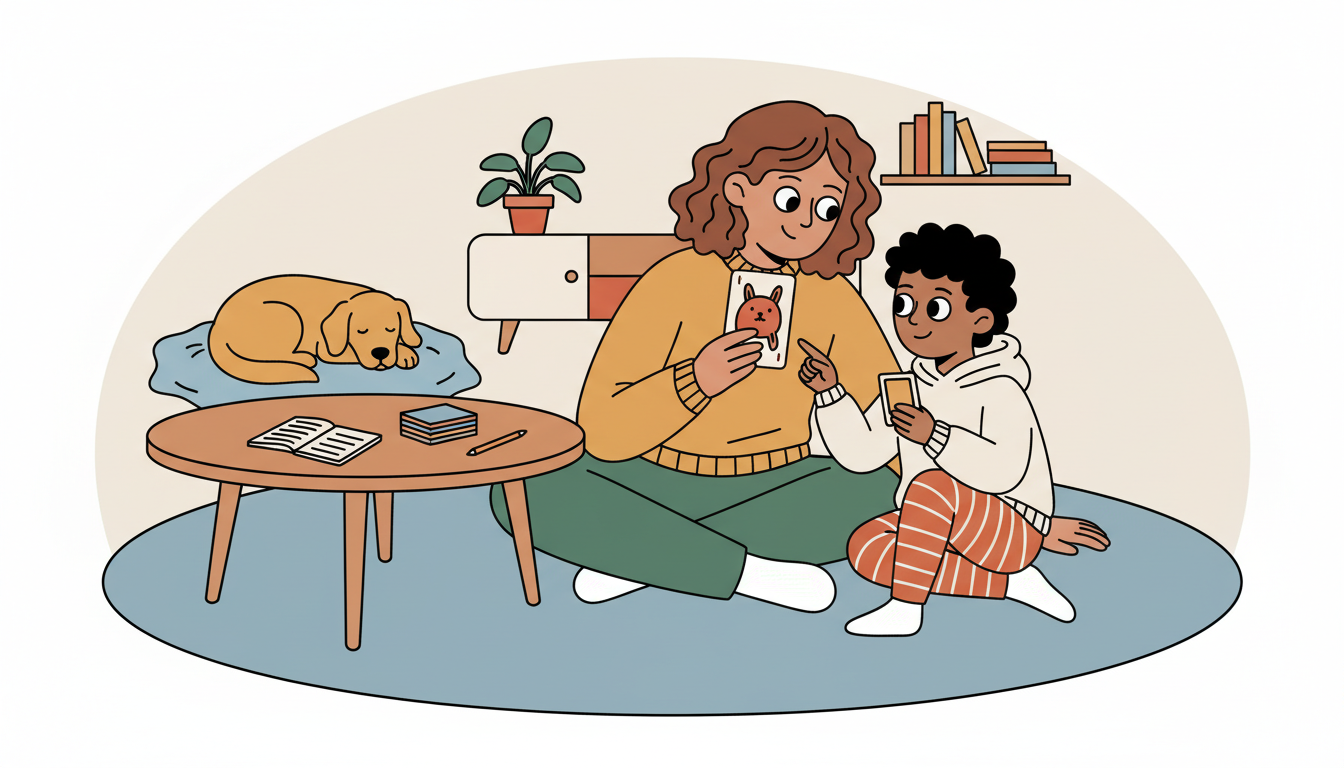
Take turns teaching each other simple games. You might teach your child a card game you played as a child, while they teach you a game they learned at school or made up themselves. Play the games together regularly. Keep a list of games you both know.
Part of the Imprint developmental journey — personalized to your child.
How to Do This Activity
Take turns teaching each other simple games. You might teach your child a card game you played as a child, while they teach you a game they learned at school or made up themselves. Play the games together regularly. Keep a list of games you both know.
Why It Works
Teaching each other builds reciprocal sharing and shows that both people's interests matter equally. Adults who maintain shared hobbies or interests with parents report 35% higher relationship satisfaction and emotional closeness (Crosnoe & Trinitapoli, 2008). The turn-taking and rule-following also support children's developing logical thinking and social skills.
Tips for Parents
Be patient when learning their game, even if the rules seem confusing. Show genuine interest.
Choose simple games that can be learned in one session and played in 10 to 15 minutes.
Materials Needed
Playing cards, dice, or simple board games
Paper to write down game names
Learning Methods
Project-Based and Thematic LearningCooperative LearningGuided Discovery and Inquiry

Loved this activity? Let us do the planning for you.
Imprint personalizes every activity to your child — their interests, their stage, the traits they're building — so playtime is more fun and every moment counts.
Science-backed. Private by design. No spam.