Problem-solving before helping
4–5 yearsFamily ConnectionNo materials needed
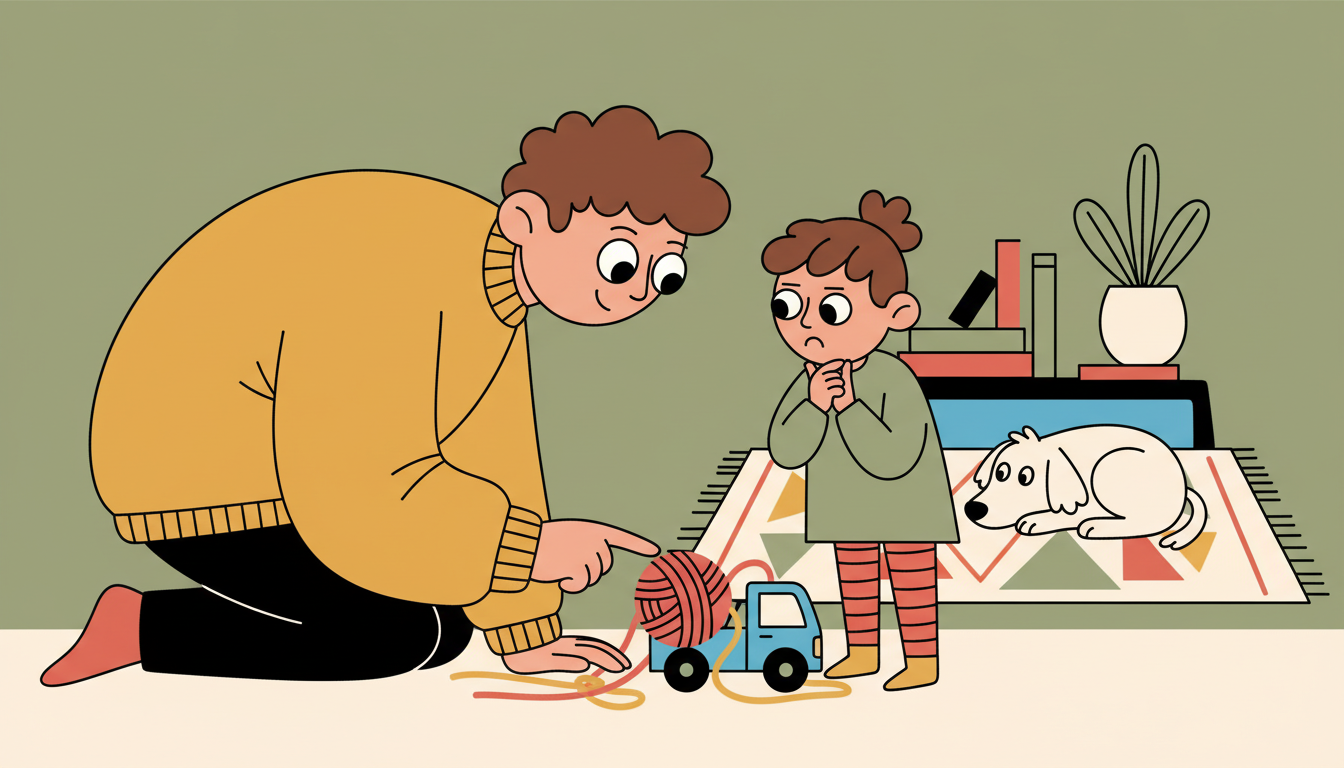
When your child encounters a challenge like a stuck zipper or hard-to-reach toy, pause before stepping in to help. Ask what they think might work or what they have already tried. Give them time to experiment with solutions. Offer hints or guidance only after they have attempted their own strategies. This approach builds critical thinking and resilience while showing you trust their capabilities.
Part of the Imprint developmental journey — personalized to your child.
How to Do This Activity
When your child encounters a challenge like a stuck zipper or hard-to-reach toy, pause before stepping in to help. Ask what they think might work or what they have already tried. Give them time to experiment with solutions. Offer hints or guidance only after they have attempted their own strategies. This approach builds critical thinking and resilience while showing you trust their capabilities.
Why It Works
Allowing your child to struggle productively builds problem-solving skills and confidence. Children who experience appropriate autonomy support show better academic achievement and social competence (Grolnick & Ryan, 1989). When you resist the urge to immediately help, you communicate trust in your child's abilities. This supportive approach to independence develops both competence and the parent-child relationship quality that extends into adulthood.
Tips for Parents
Count to ten silently before offering help to give them thinking time. Ask questions like, what could you try next, rather than showing the solution.
Celebrate their problem-solving process, not just success. Say things like, you kept trying different ways until you figured it out. Let them experience productive struggle as competence develops.
Materials Needed
None
Learning Methods
Guided Discovery and InquiryProject-Based and Thematic LearningMetacognitive Strategies

Loved this activity? Let us do the planning for you.
Imprint personalizes every activity to your child — their interests, their stage, the traits they're building — so playtime is more fun and every moment counts.
Science-backed. Private by design. No spam.