Mirror and reflect feelings
4–5 yearsFamily ConnectionNo materials needed
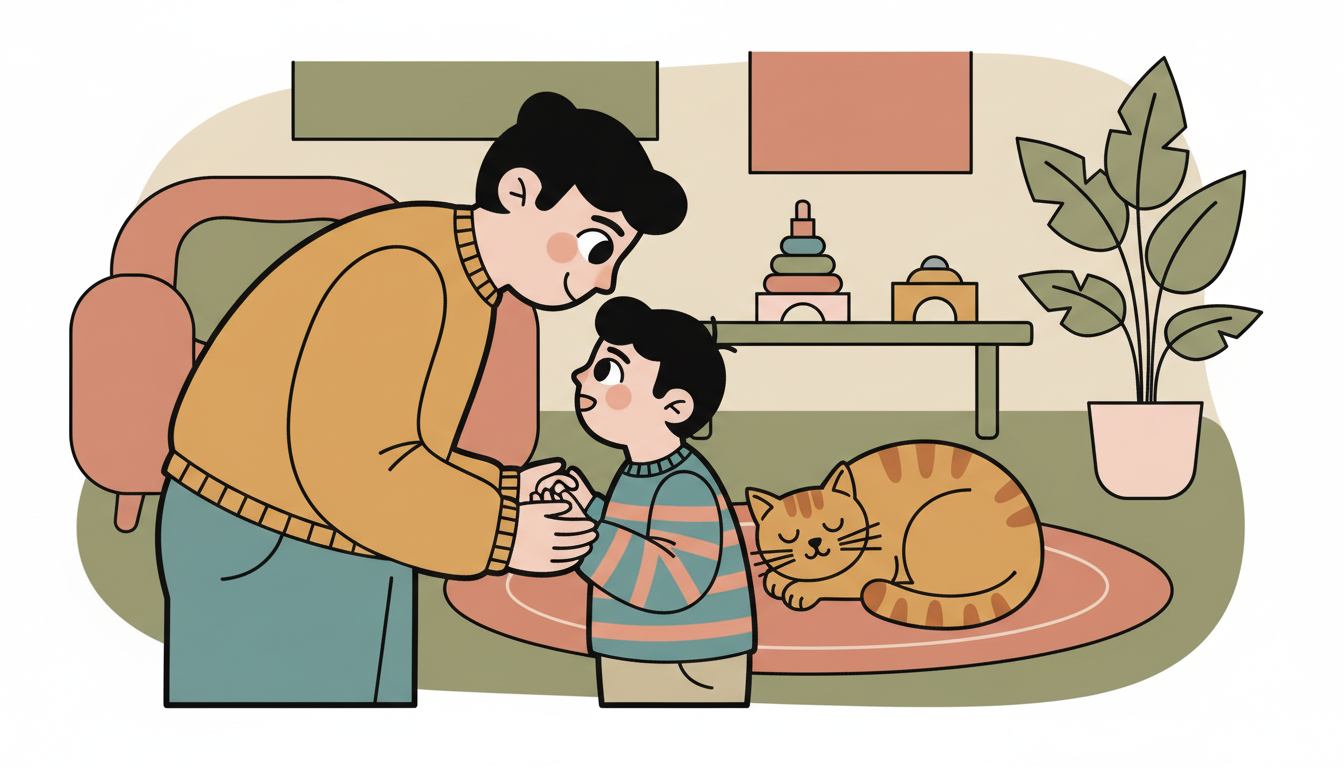
When your child expresses a feeling or concern, reflect it back to them in your own words. If they say they are upset about something, you might say it sounds like they are feeling frustrated. This shows you understand and validates their experience. Mirroring helps children feel heard and teaches them emotional vocabulary for future conversations.
Part of the Imprint developmental journey — personalized to your child.
How to Do This Activity
When your child expresses a feeling or concern, reflect it back to them in your own words. If they say they are upset about something, you might say it sounds like they are feeling frustrated. This shows you understand and validates their experience. Mirroring helps children feel heard and teaches them emotional vocabulary for future conversations.
Why It Works
Research identifies mirroring and empathy as key factors that enhance parent-child relationship quality and children's psychological development (Zhang & Li, 2024). When parents validate feelings before problem-solving, children learn that their emotions matter. This builds trust and encourages continued open communication, which strongly correlates with enduring parent-child relationships (Hartos & Power, 2000).
Tips for Parents
Listen carefully before responding to get the feeling right.
Use a calm, warm tone when reflecting back.
Avoid jumping to solutions before acknowledging the feeling.
Materials Needed
None
Learning Methods
Cooperative LearningStructured Academic LearningProject-Based and Thematic Learning

Loved this activity? Let us do the planning for you.
Imprint personalizes every activity to your child — their interests, their stage, the traits they're building — so playtime is more fun and every moment counts.
Science-backed. Private by design. No spam.