Memory matching with common objects
2–3 yearsSuccess MindsetMaterials: Three to four common household objects
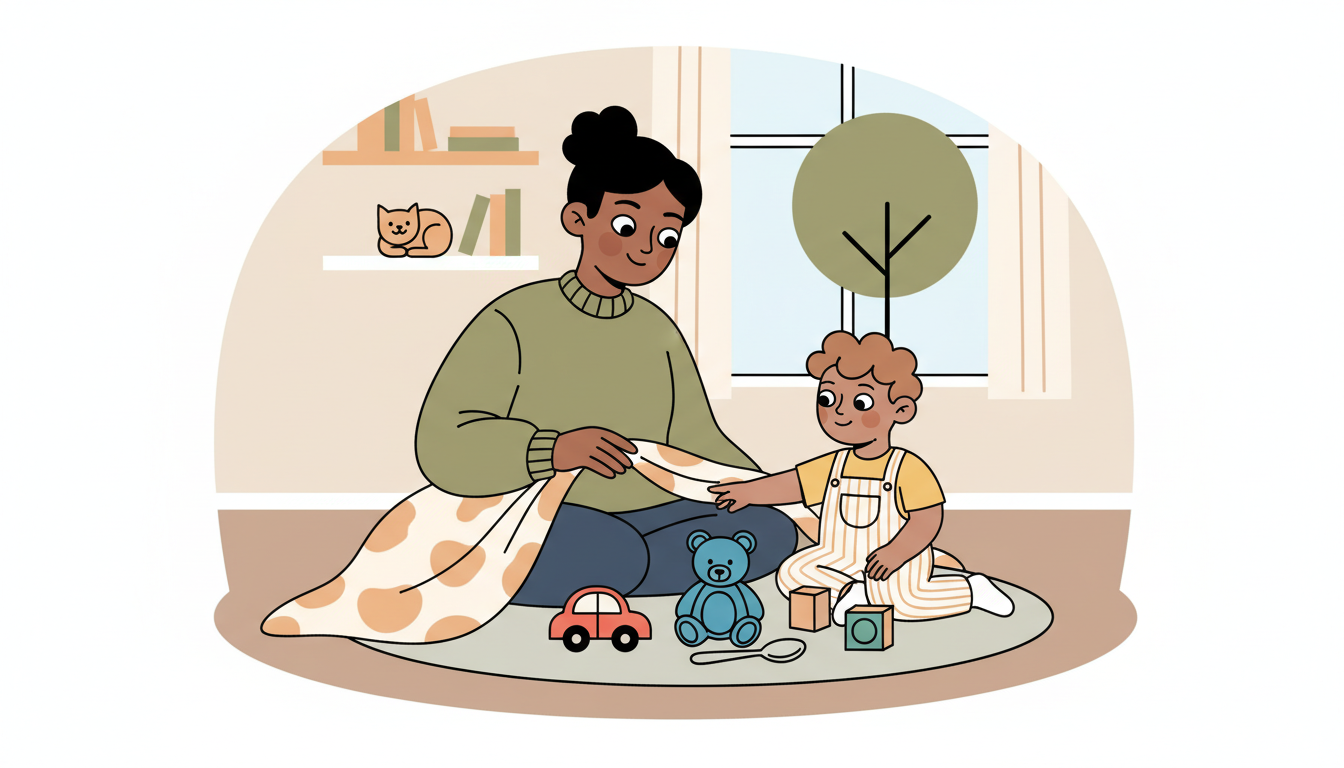
Place three to four familiar objects where your child can see them. Cover them with a cloth and remove one object. Uncover the remaining items and ask 'What's missing?' Start with very familiar items like a spoon, toy car, or stuffed animal. This simple game builds visual memory and attention skills. As they get better, you can add more objects or remove two items.
Part of the Imprint developmental journey — personalized to your child.
How to Do This Activity
Place three to four familiar objects where your child can see them. Cover them with a cloth and remove one object. Uncover the remaining items and ask 'What's missing?' Start with very familiar items like a spoon, toy car, or stuffed animal. This simple game builds visual memory and attention skills. As they get better, you can add more objects or remove two items.
Why It Works
Working memory is a critical component of cognitive ability that develops rapidly in early childhood. Memory activities strengthen attention and recall skills that are foundational for learning. Strong working memory and attention control in the preschool years predict growth in both literacy and numeracy skills (Welsh et al., 2010).
Tips for Parents
Start with just three items. This age group is still developing memory skills, so keep it achievable.
Use items your child knows well and can name. Success depends partly on vocabulary, so familiar objects work best.
If they can't remember, give hints like 'It was something red' or show the missing item and try again.
Materials Needed
Three to four common household objects
Learning Methods
Interactive Play-Based LearningSongs, Stories, and RhymesHands-On Sensory Activities

Loved this activity? Let us do the planning for you.
Imprint personalizes every activity to your child — their interests, their stage, the traits they're building — so playtime is more fun and every moment counts.
Science-backed. Private by design. No spam.