I'll try first
2–3 yearsFamily ConnectionNo materials needed
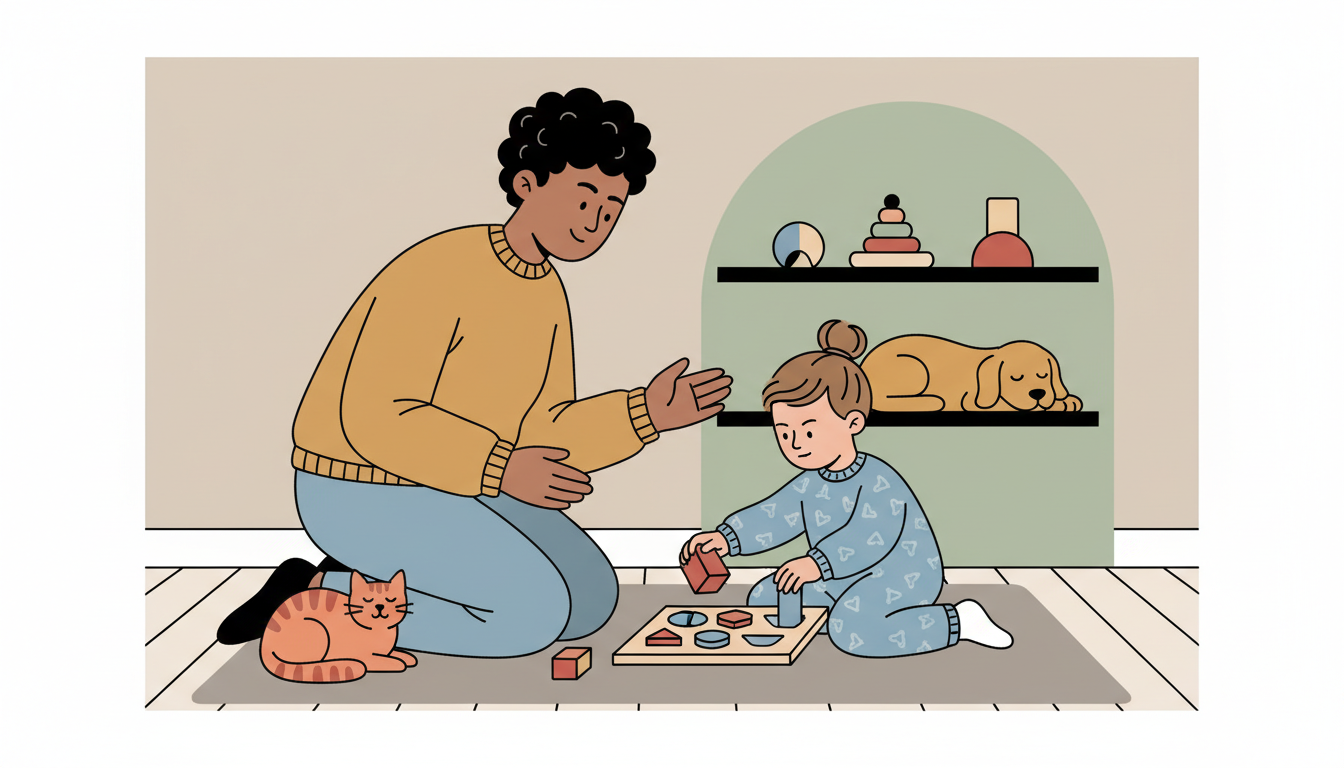
When starting a new activity or facing a small challenge during play, wait before jumping in to help. Let your child try first. If they're trying to open a container, fit puzzle pieces together, or build something, give them time to work through it. Watch for signs of frustration, but allow some struggle. When they do ask for help, offer the minimum assistance needed rather than taking over completely.
Part of the Imprint developmental journey — personalized to your child.
How to Do This Activity
When starting a new activity or facing a small challenge during play, wait before jumping in to help. Let your child try first. If they're trying to open a container, fit puzzle pieces together, or build something, give them time to work through it. Watch for signs of frustration, but allow some struggle. When they do ask for help, offer the minimum assistance needed rather than taking over completely.
Why It Works
Allowing children to struggle appropriately builds problem-solving skills and resilience. Supporting age-appropriate independence leads to 25% better emotional regulation and decision-making capabilities (Soenens & Vansteenkiste, 2010). Children learn they are capable when we give them space to figure things out, and they learn to ask for help when truly needed.
Tips for Parents
Count to ten in your head before offering help. Many times, children figure things out in those few extra seconds.
When you do help, try hand-over-hand guidance or verbal hints rather than doing it for them. "Try turning it the other way" supports more than just doing it yourself.
Materials Needed
None
Learning Methods
Interactive Play-Based LearningHands-On Sensory ActivitiesSymbolic and Pretend Play

Loved this activity? Let us do the planning for you.
Imprint personalizes every activity to your child — their interests, their stage, the traits they're building — so playtime is more fun and every moment counts.
Science-backed. Private by design. No spam.