Honesty story time
3–4 yearsSuccess MindsetMaterials: Age-appropriate books about honesty
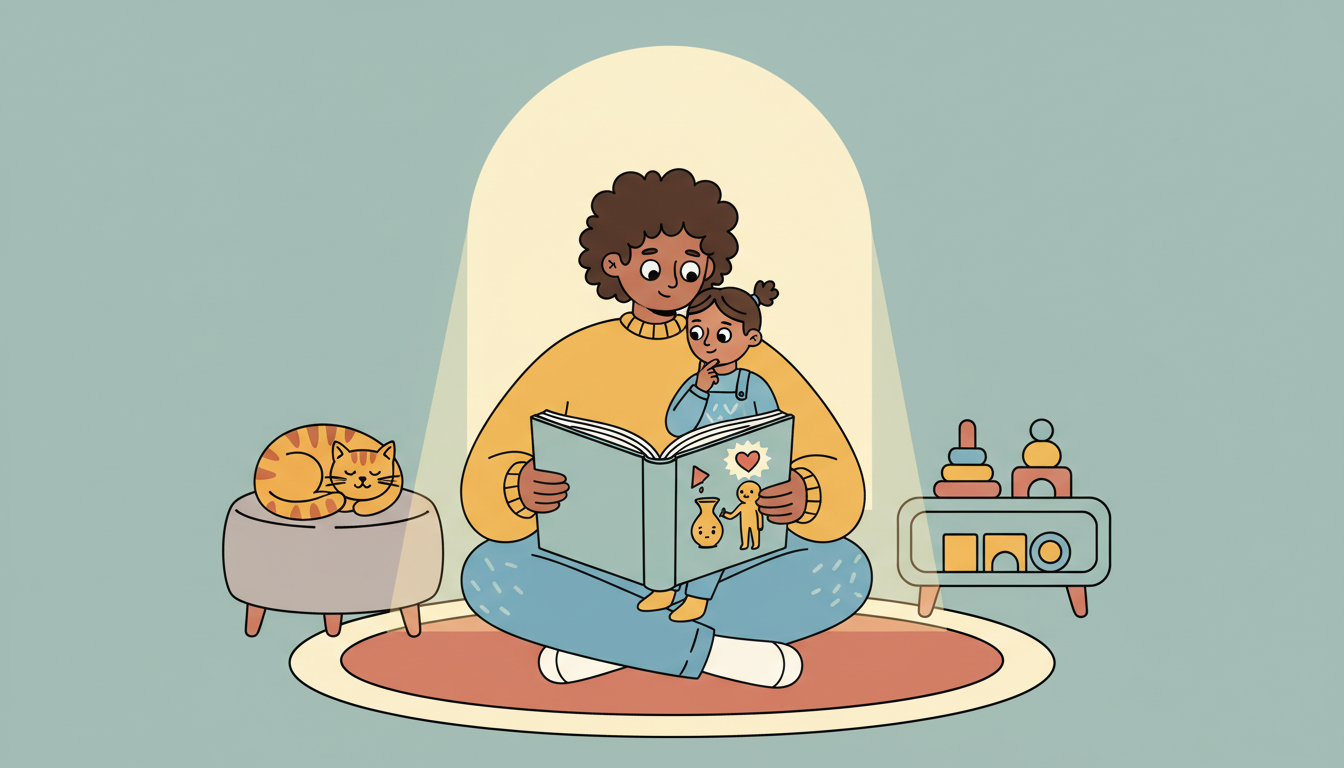
Read stories where characters face choices about telling the truth. After reading, talk about what happened and why the character chose to be honest or dishonest. Ask questions like "How do you think that made them feel?" or "What would you do?" This helps children think through moral situations in a safe way.
Part of the Imprint developmental journey — personalized to your child.
How to Do This Activity
Read stories where characters face choices about telling the truth. After reading, talk about what happened and why the character chose to be honest or dishonest. Ask questions like "How do you think that made them feel?" or "What would you do?" This helps children think through moral situations in a safe way.
Why It Works
Students displaying consistent moral behavior and integrity show 20-25% better outcomes in peer acceptance and teacher ratings of academic cooperation (Kochanska & Aksan, 2006). Stories provide a risk-free space for children to explore moral reasoning. At 36-48 months, narrative experiences enhance comprehension and help children understand that lying affects others.
Tips for Parents
Choose stories where honest characters have positive outcomes, even if they face temporary consequences. This reinforces that honesty leads to better results.
Let your child share their thoughts without correcting them immediately. Use questions to guide their thinking rather than lecturing.
Materials Needed
Age-appropriate books about honesty
Learning Methods
Narrative and Literacy-Rich ExperiencesCollaborative and Cooperative PlayInquiry-Based Learning

Loved this activity? Let us do the planning for you.
Imprint personalizes every activity to your child — their interests, their stage, the traits they're building — so playtime is more fun and every moment counts.
Science-backed. Private by design. No spam.