Honesty modeling
4–5 yearsFamily ConnectionNo materials needed
Practice truthfulness in everyday moments. If you do not know something, say so instead of guessing. If plans change, explain honestly what happened. When your child asks difficult questions, give truthful, age-appropriate answers. Encourage honesty by responding calmly when your child tells the truth about mistakes.
Part of the Imprint developmental journey — personalized to your child.
How to Do This Activity
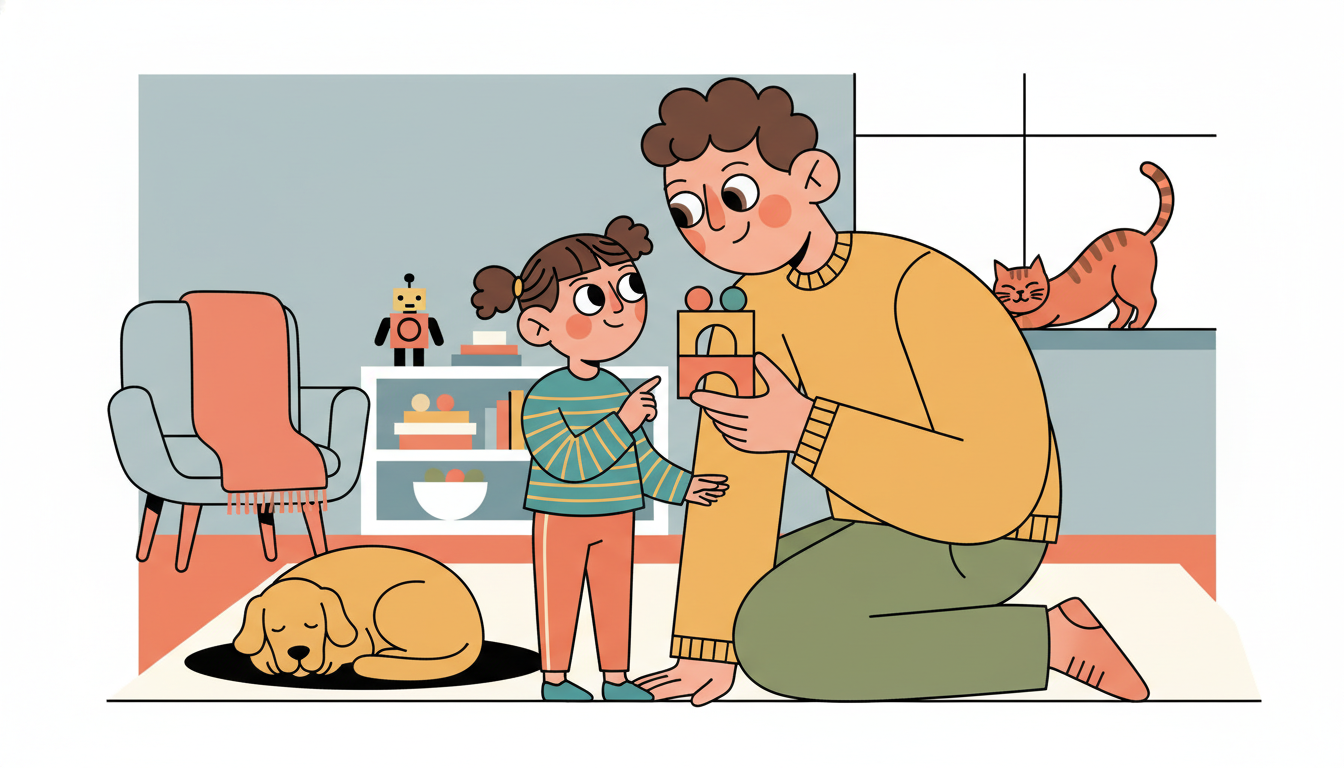
Practice truthfulness in everyday moments. If you do not know something, say so instead of guessing. If plans change, explain honestly what happened. When your child asks difficult questions, give truthful, age-appropriate answers. Encourage honesty by responding calmly when your child tells the truth about mistakes.
Why It Works
Consistent honesty builds the foundation of trust in relationships. Children demonstrating honesty, reliability, and respect toward parents' boundaries show 40% better emotional regulation and trust-building capabilities throughout development (Kochanska & Aksan, 2006). When children see honesty modeled and rewarded, they learn that truthfulness is valued and safe.
Tips for Parents
When your child admits to something wrong, thank them for being honest before addressing the behavior. Say, "Thank you for telling me the truth. Now let us talk about what happened."
Be honest about your own limitations. Saying, "I do not know, but we can find out together" builds trust and models lifelong learning.
Materials Needed
None
Learning Methods
Cooperative LearningMetacognitive StrategiesProject-Based and Thematic Learning

Loved this activity? Let us do the planning for you.
Imprint personalizes every activity to your child — their interests, their stage, the traits they're building — so playtime is more fun and every moment counts.
Science-backed. Private by design. No spam.