Helping hands reflection
3–4 yearsEmotional WellbeingNo materials needed
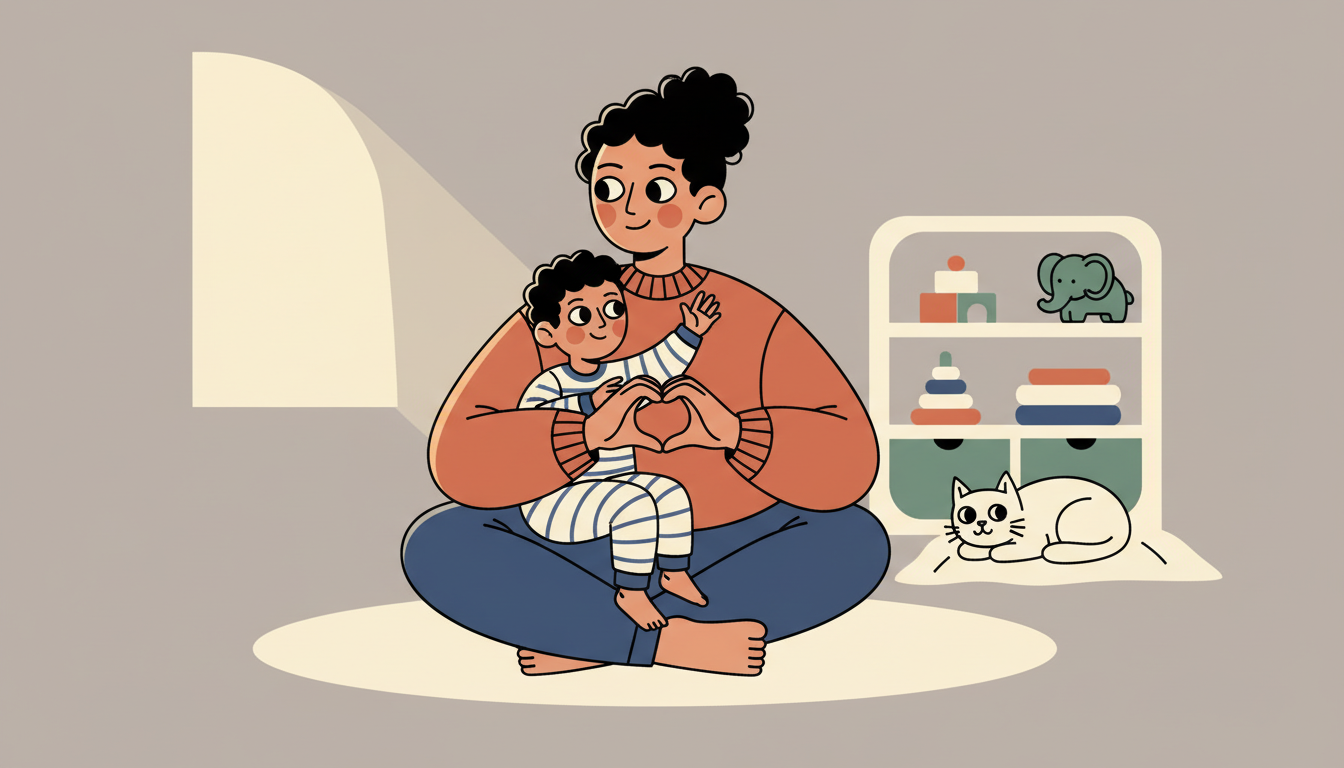
At the end of the day during bedtime or quiet time, talk with your child about one thing they did to help someone. Ask, "Who did you help today?" and "How did you help them?" Then ask, "How do you think they felt?" Listen to their answers and add your own observations. You might say, "I saw you share your toy with your friend. That made them smile." Make this a regular part of your routine.
Part of the Imprint developmental journey — personalized to your child.
How to Do This Activity
At the end of the day during bedtime or quiet time, talk with your child about one thing they did to help someone. Ask, "Who did you help today?" and "How did you help them?" Then ask, "How do you think they felt?" Listen to their answers and add your own observations. You might say, "I saw you share your toy with your friend. That made them smile." Make this a regular part of your routine.
Why It Works
Reflecting on helpful actions strengthens the connection between behavior and purpose. Adults with clearly defined purposes show 20% higher mental resilience and better stress management (Duckworth et al., 2005). When children regularly think about how their actions affect others, they begin to develop values and a sense of what matters. This reflection supports the development of meaning-making skills that contribute to purpose throughout life.
Tips for Parents
If your child struggles to remember, offer a specific example you noticed.
Keep the tone warm and curious, not like a test or interrogation.
Share your own helping moment too. Modeling matters at this age.
Materials Needed
None
Learning Methods
Project-Based LearningCollaborative and Cooperative PlayInquiry-Based Learning

Loved this activity? Let us do the planning for you.
Imprint personalizes every activity to your child — their interests, their stage, the traits they're building — so playtime is more fun and every moment counts.
Science-backed. Private by design. No spam.