Helping hands practice
4–5 yearsFamily ConnectionMaterials: Varies based on chosen activity
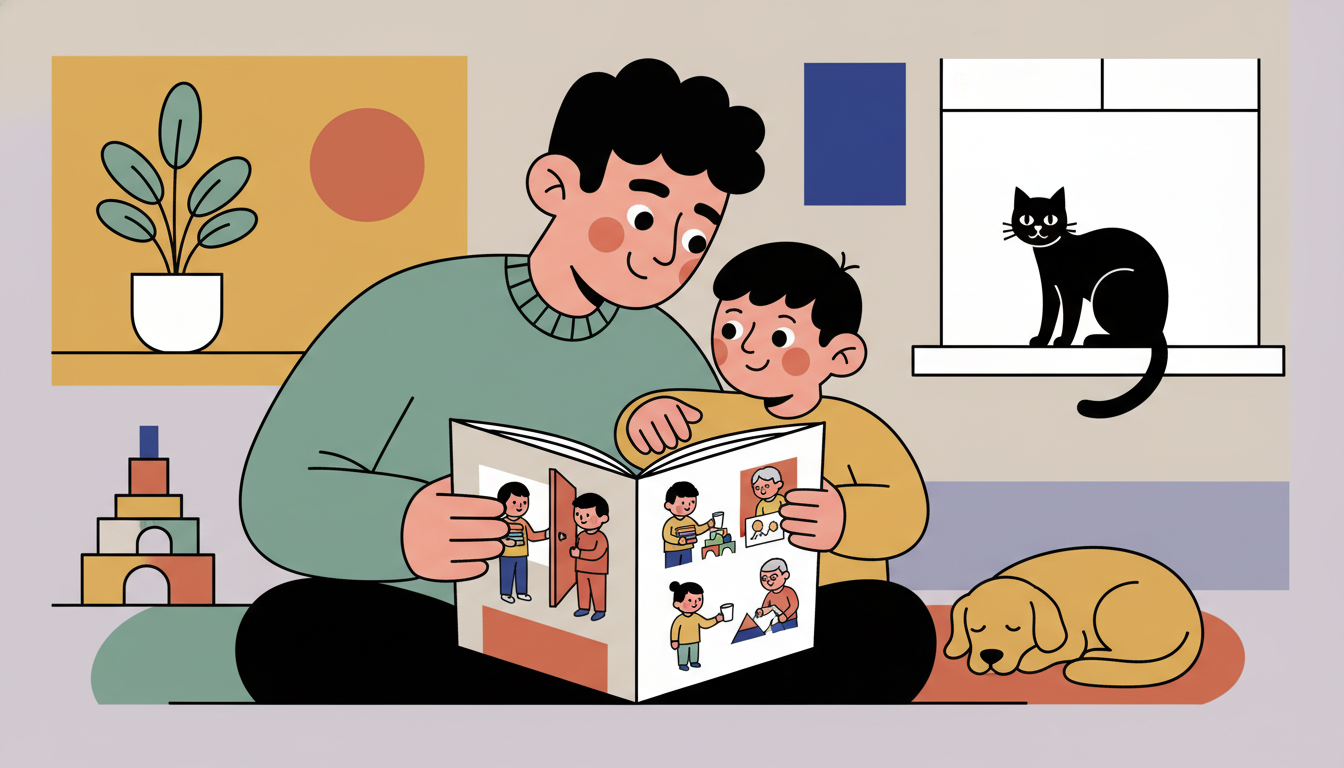
Together, identify small ways to help someone who might need it. This could be bringing a cup of water to a sibling who is playing, holding the door for someone carrying things, or drawing a picture for a neighbor. Do the helpful action together, then talk about how it might have made the other person feel. This turns empathy into compassionate action.
Part of the Imprint developmental journey — personalized to your child.
How to Do This Activity
Together, identify small ways to help someone who might need it. This could be bringing a cup of water to a sibling who is playing, holding the door for someone carrying things, or drawing a picture for a neighbor. Do the helpful action together, then talk about how it might have made the other person feel. This turns empathy into compassionate action.
Why It Works
Practicing compassion actively moves beyond understanding emotions to responding with helpful action. Empathy development follows a trajectory from emotional contagion to cognitive empathy to compassionate empathy, and this activity supports that progression. High empathy and emotional intelligence predict the ability to manage conflicts constructively and maintain emotional closeness in relationships (Hoffman, 2000).
Tips for Parents
Start with people your child knows and sees regularly to make the impact more visible.
After helping, ask your child to imagine how the person felt before and after the help.
Celebrate your child's ideas for helping, even if they seem small.
Materials Needed
Varies based on chosen activity
Learning Methods
Cooperative LearningMetacognitive StrategiesStructured Academic Learning

Loved this activity? Let us do the planning for you.
Imprint personalizes every activity to your child — their interests, their stage, the traits they're building — so playtime is more fun and every moment counts.
Science-backed. Private by design. No spam.