Future self conversation
4–5 yearsEmotional WellbeingMaterials: Paper
Crayons or markers
Ask your child what they want to be good at when they're older. Draw or write about it together, making it concrete and specific. Discuss what small steps they can take now to move toward that dream. Connect current learning to future possibilities. Revisit the conversation regularly as interests evolve and deepen.
Part of the Imprint developmental journey — personalized to your child.
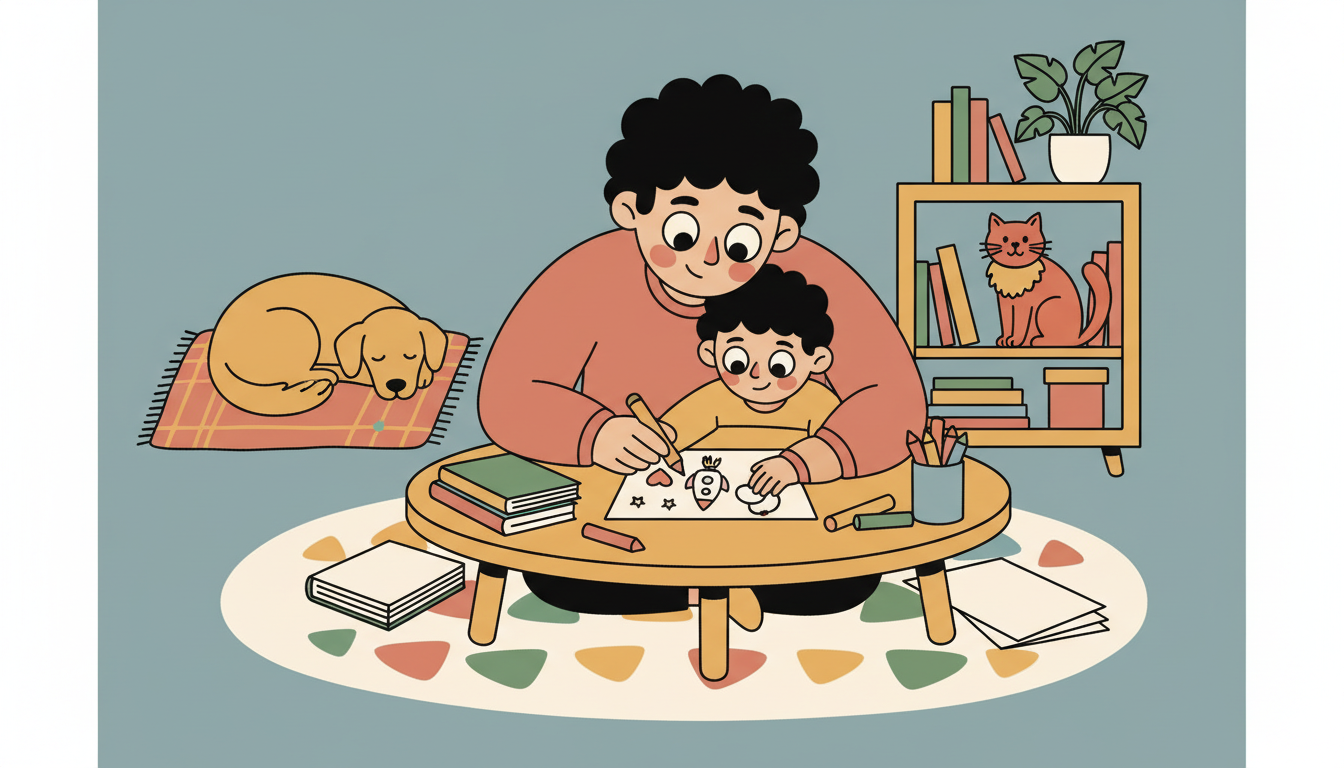
How to Do This Activity
Ask your child what they want to be good at when they're older. Draw or write about it together, making it concrete and specific. Discuss what small steps they can take now to move toward that dream. Connect current learning to future possibilities. Revisit the conversation regularly as interests evolve and deepen.
Why It Works
Students with higher sense of purpose demonstrate 18% better persistence on challenging academic tasks. Adolescents with strong sense of purpose show reduced risk behaviors and better outcomes. Early conversations about future aspirations plant seeds of purposeful thinking. Children at this age can think logically about concrete situations and express narrative thoughts clearly (Yeager et al., 2014; Burrow & Hill, 2011).
Tips for Parents
Accept that interests will change frequently. The practice of thinking purposefully about the future matters more than the specific goal.
Ask what they would need to learn or practice to achieve their dream. This builds understanding that purpose requires sustained effort over time.
Materials Needed
Paper
Crayons or markers
Learning Methods
Project-Based and Thematic LearningCooperative LearningGuided Discovery and Inquiry

Loved this activity? Let us do the planning for you.
Imprint personalizes every activity to your child — their interests, their stage, the traits they're building — so playtime is more fun and every moment counts.
Science-backed. Private by design. No spam.