Feelings toolbox practice
4–5 yearsEmotional WellbeingMaterials: Paper and crayons for drawing the strategies together
Create a simple list of strategies your child can use when feeling frustrated or upset. Include things like taking deep breaths, asking for help, trying a different way, or taking a break. When your child encounters a challenge during play, remind them of their toolbox. Ask 'Which tool might help right now.' This gives them concrete coping strategies they can use independently when facing difficulties.
Part of the Imprint developmental journey — personalized to your child.
How to Do This Activity
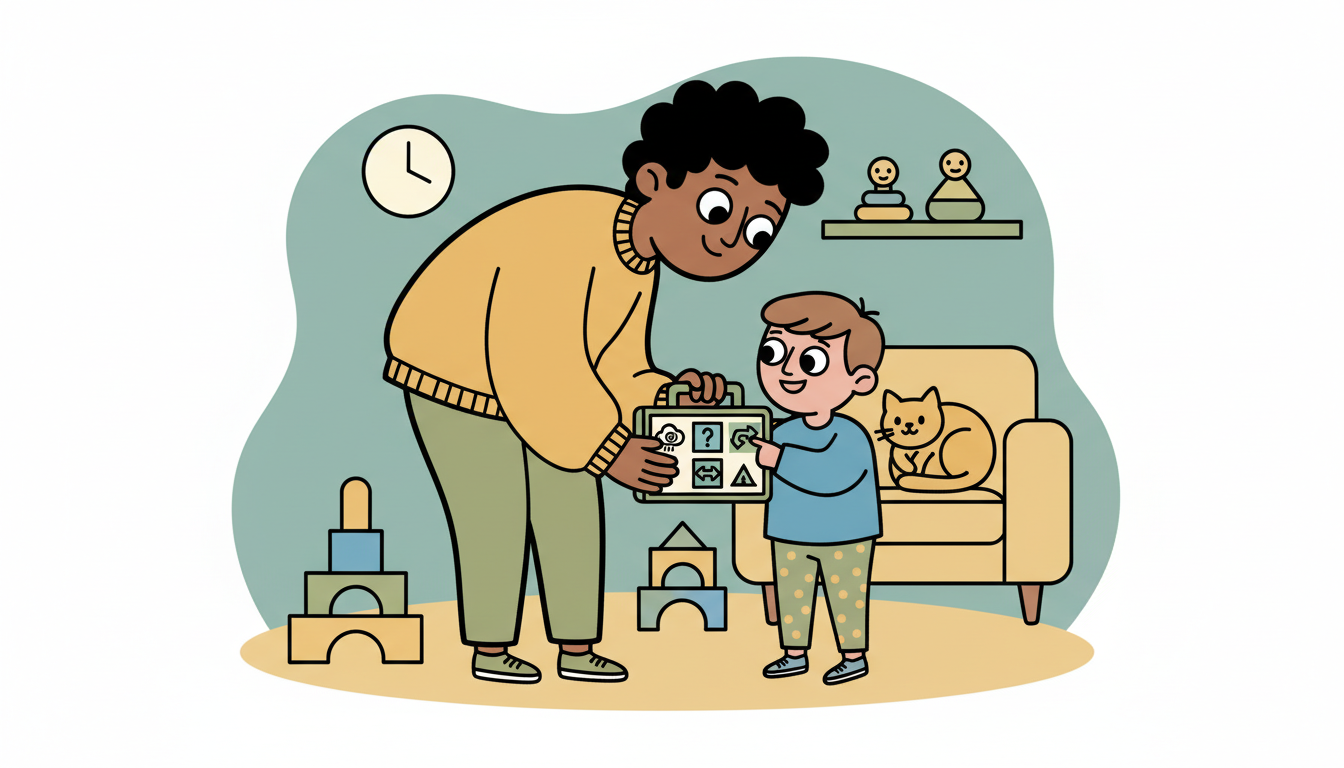
Create a simple list of strategies your child can use when feeling frustrated or upset. Include things like taking deep breaths, asking for help, trying a different way, or taking a break. When your child encounters a challenge during play, remind them of their toolbox. Ask 'Which tool might help right now.' This gives them concrete coping strategies they can use independently when facing difficulties.
Why It Works
Teaching explicit coping strategies is essential for emotional regulation and resilience development. Research shows resilience is built through supportive relationships and developing problem-solving skills (Masten & Motti-Stefanidi, 2020). Children at this age have complex language skills and can follow multi-step instructions, making them capable of learning and applying specific emotional regulation strategies. These skills support better adjustment to new challenges like kindergarten.
Tips for Parents
Keep the list short with three to five strategies your child can remember and use.
Practice the strategies during calm moments so they're familiar when stress hits.
Ask which tool they want to try rather than telling them what to do.
Materials Needed
Paper and crayons for drawing the strategies together
Learning Methods
Guided Discovery and InquiryProject-Based and Thematic LearningMetacognitive Strategies

Loved this activity? Let us do the planning for you.
Imprint personalizes every activity to your child — their interests, their stage, the traits they're building — so playtime is more fun and every moment counts.
Science-backed. Private by design. No spam.