Collaborative problem solving
4–5 yearsFamily ConnectionNo materials needed
When small conflicts arise, solve them together instead of imposing solutions. Present the problem neutrally and ask for your child's ideas first. Then share your thoughts. Work toward a solution you both can accept. For example, if toys are not getting cleaned up, ask, "The toys are still out and we need to set the table. What ideas do you have?"
Part of the Imprint developmental journey — personalized to your child.
How to Do This Activity
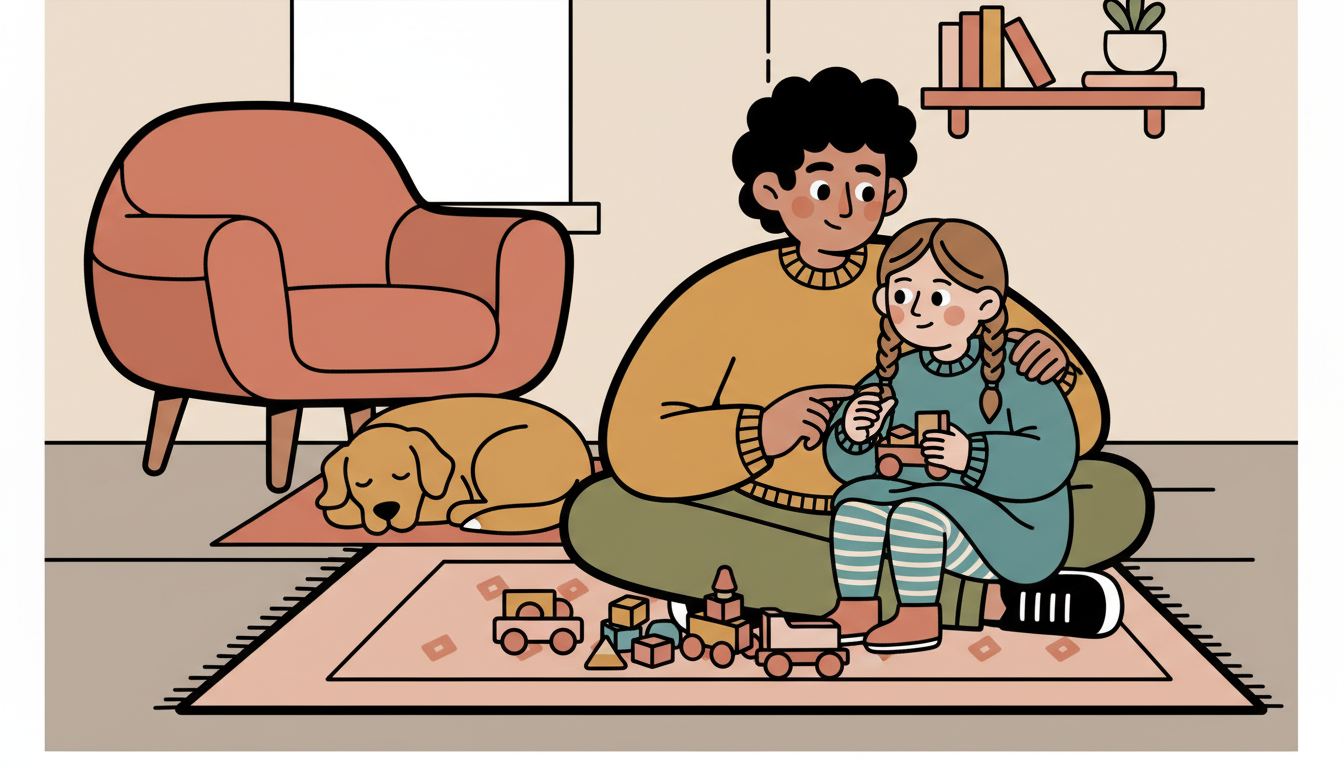
When small conflicts arise, solve them together instead of imposing solutions. Present the problem neutrally and ask for your child's ideas first. Then share your thoughts. Work toward a solution you both can accept. For example, if toys are not getting cleaned up, ask, "The toys are still out and we need to set the table. What ideas do you have?"
Why It Works
Solving problems together shows that you value your child's thinking and respect their perspective. Reciprocal trust and respect established early predict lower rates of parent-child conflict and better cooperation during challenging developmental periods (Collins & Steinberg, 2006). At this age, children can think logically about concrete situations and participate meaningfully in finding solutions.
Tips for Parents
Focus on problems you both want to solve, not major discipline issues. Start with low-stakes situations like choosing activities or organizing toys.
If their solution will not work, explain why respectfully and suggest modifications rather than rejecting it completely.
Materials Needed
None
Learning Methods
Cooperative LearningMetacognitive StrategiesProject-Based and Thematic Learning

Loved this activity? Let us do the planning for you.
Imprint personalizes every activity to your child — their interests, their stage, the traits they're building — so playtime is more fun and every moment counts.
Science-backed. Private by design. No spam.