The why behind feelings
3–4 yearsFamily ConnectionNo materials needed
Throughout your activity time, whenever emotions come up naturally, ask your child why someone might feel that way. If your child says, 'She looks sad,' follow up with, 'What do you think made her sad?' or 'Why might she feel that way?' This moves beyond just labeling emotions to understanding their causes. You can practice with people you see, characters in books, or family members. Understanding the reasons behind feelings is a key step toward true empathy.
Part of the Imprint developmental journey — personalized to your child.
How to Do This Activity
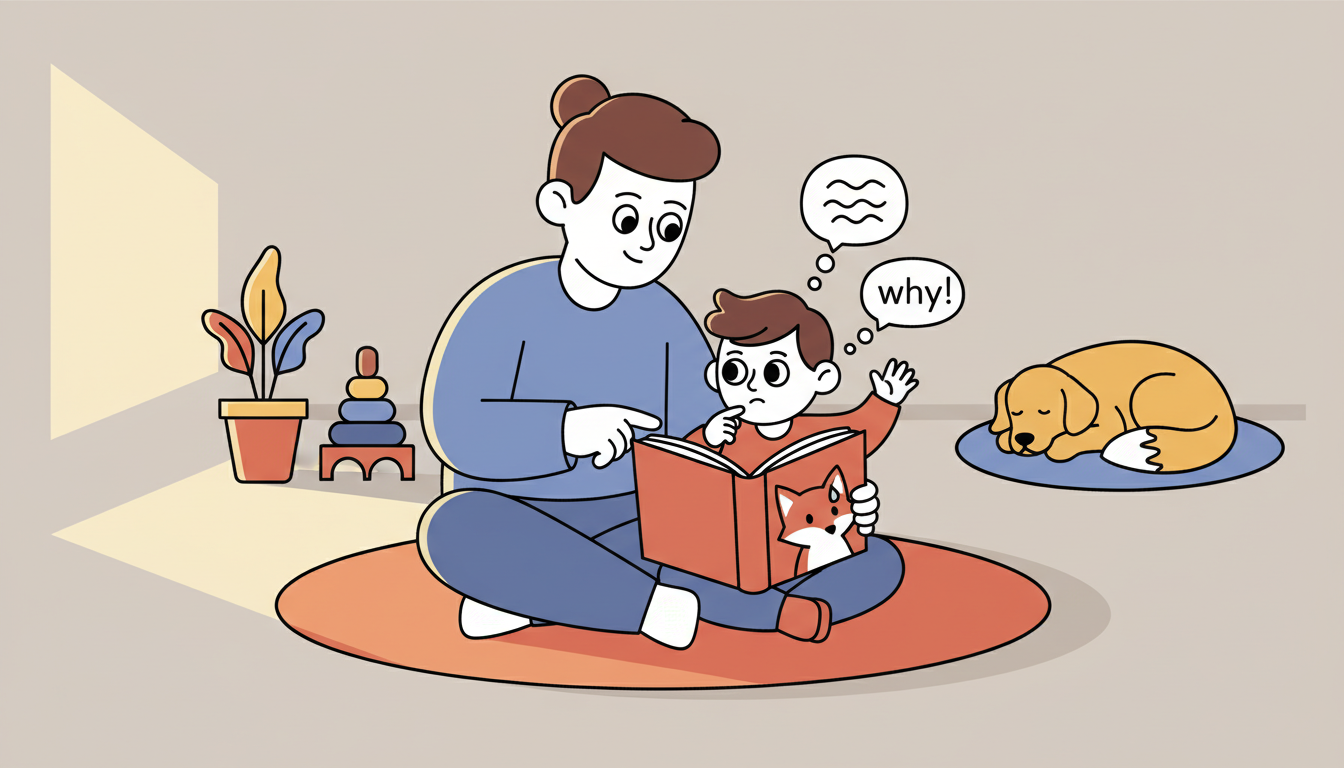
Throughout your activity time, whenever emotions come up naturally, ask your child why someone might feel that way. If your child says, 'She looks sad,' follow up with, 'What do you think made her sad?' or 'Why might she feel that way?' This moves beyond just labeling emotions to understanding their causes. You can practice with people you see, characters in books, or family members. Understanding the reasons behind feelings is a key step toward true empathy.
Why It Works
Understanding the causes of emotions is central to cognitive empathy development. Research shows that empathy plays a critical role in emotional well-being, and when parents help children understand emotions deeply, children develop better emotional regulation and social skills (Bhansali, 2023). At 36-48 months, children's cognitive abilities allow them to make simple cause-effect connections. Teaching them to link events with emotional responses builds the cognitive empathy that predicts social competence.
Tips for Parents
Start with simple, obvious causes like 'He fell down, so he feels hurt.'
If your child struggles, offer two possible reasons to choose from.
Connect feelings to your child's own experiences by asking, 'Would you feel sad if that happened to you?'
Materials Needed
None
Learning Methods
Narrative and Literacy-Rich ExperiencesCollaborative and Cooperative PlayInquiry-Based Learning

Loved this activity? Let us do the planning for you.
Imprint personalizes every activity to your child — their interests, their stage, the traits they're building — so playtime is more fun and every moment counts.
Science-backed. Private by design. No spam.