Puzzle persistence practice
3–4 yearsSuccess MindsetMaterials: Simple puzzle with six to 10 pieces
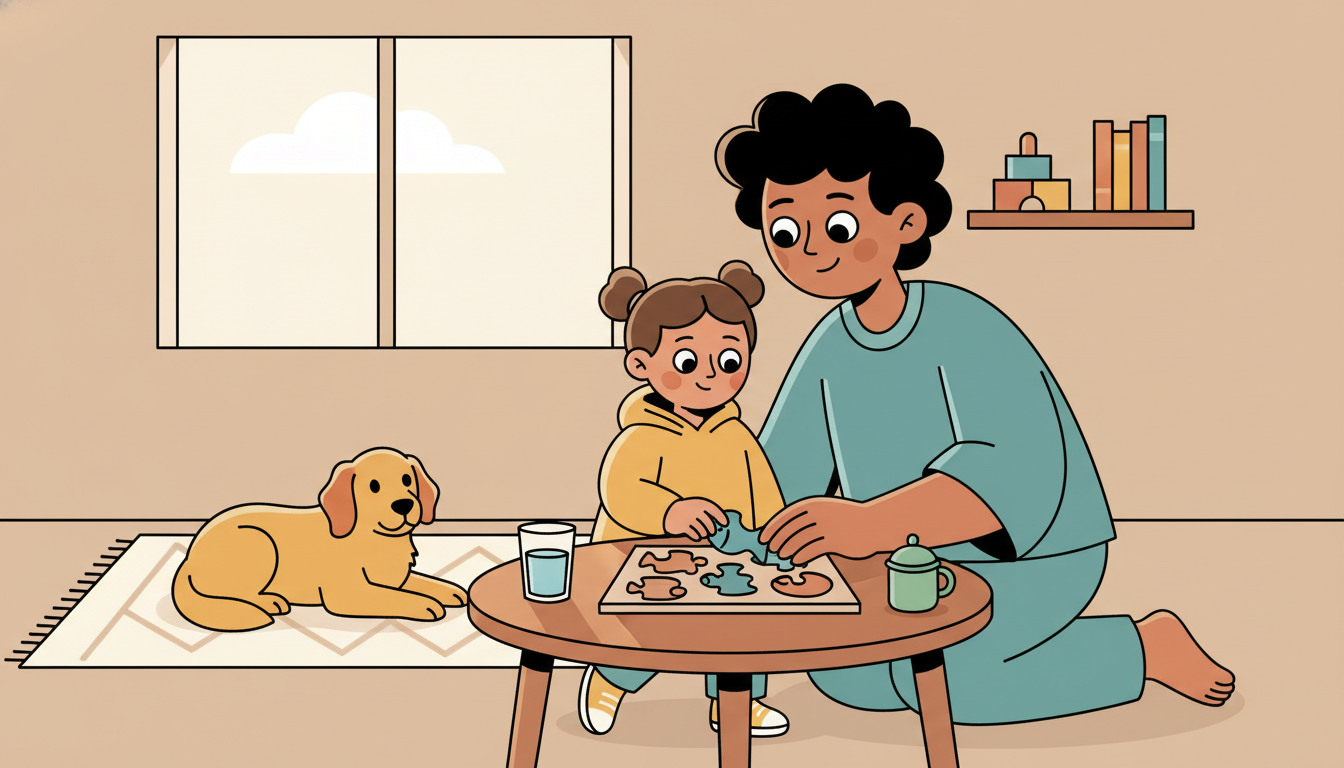
Start a simple puzzle together with six to 10 pieces. Before completing it, suggest taking a break to do something else, like have a drink of water. Tell your child you'll finish the puzzle after the break. This teaches that stopping an enjoyable activity and returning to it later is possible, building task persistence and delayed completion satisfaction.
Part of the Imprint developmental journey — personalized to your child.
How to Do This Activity
Start a simple puzzle together with six to 10 pieces. Before completing it, suggest taking a break to do something else, like have a drink of water. Tell your child you'll finish the puzzle after the break. This teaches that stopping an enjoyable activity and returning to it later is possible, building task persistence and delayed completion satisfaction.
Why It Works
Task persistence in early childhood contributes to academic success and later educational attainment (Duckworth & Carlson, 2013). This activity teaches your child that they can pause a task and return to it, building both self-control and sustained attention. At 36-48 months, children are developing the ability to plan and follow through on activities, and this practice strengthens those emerging skills.
Tips for Parents
Choose a puzzle at your child's skill level so the activity stays positive.
Keep the break short, just one to two minutes, so your child can successfully return to the task.
When you resume, acknowledge that waiting was hard but celebrate finishing together.
Materials Needed
Simple puzzle with six to 10 pieces
Learning Methods
Structured Learning ActivitiesCollaborative and Cooperative PlayInquiry-Based Learning

Loved this activity? Let us do the planning for you.
Imprint personalizes every activity to your child — their interests, their stage, the traits they're building — so playtime is more fun and every moment counts.
Science-backed. Private by design. No spam.