Feelings and truth talk
2–3 yearsSuccess MindsetNo materials needed
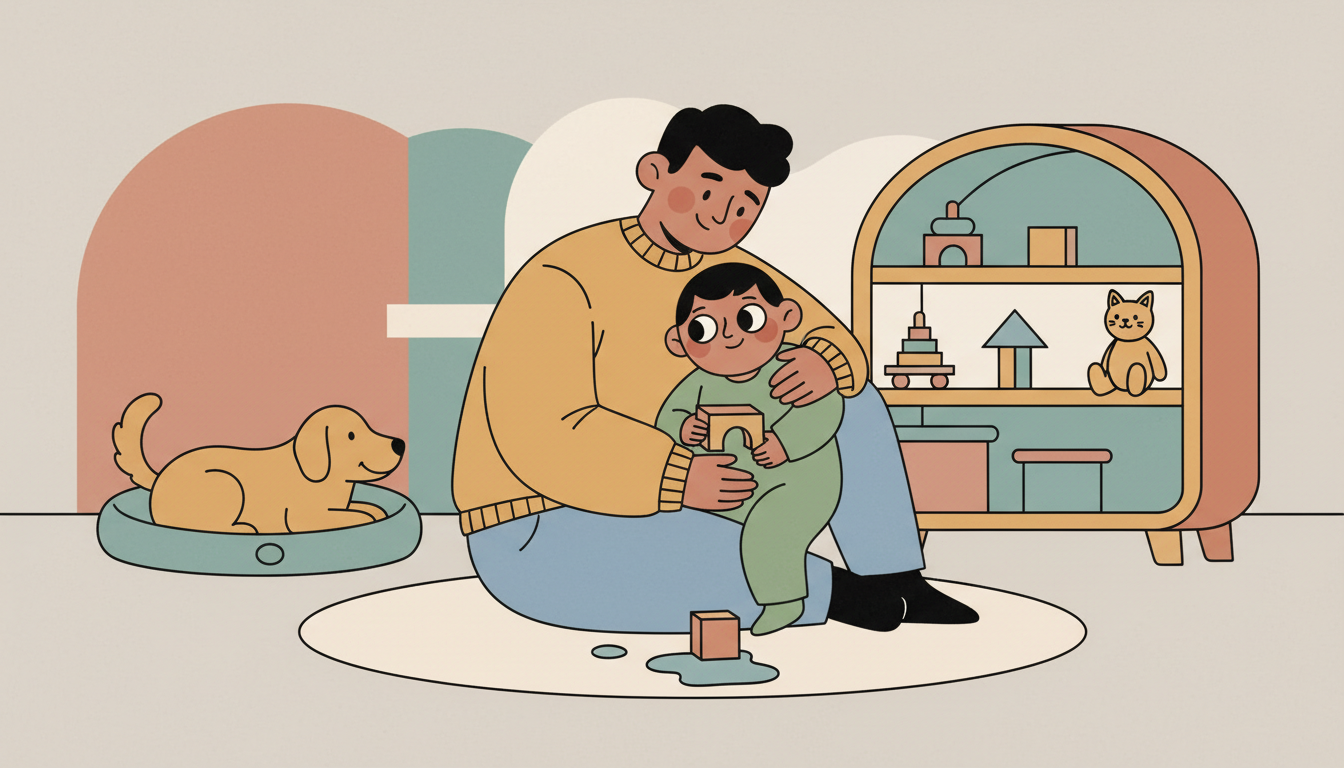
When situations arise during play where your child might be tempted to hide the truth, acknowledge their feelings first. You might say, "I see you're worried about telling me you spilled something. It's okay to tell me." Keep your tone calm and supportive. Then praise them when they share what happened.
Part of the Imprint developmental journey — personalized to your child.
How to Do This Activity
When situations arise during play where your child might be tempted to hide the truth, acknowledge their feelings first. You might say, "I see you're worried about telling me you spilled something. It's okay to tell me." Keep your tone calm and supportive. Then praise them when they share what happened.
Why It Works
Harsh punishment for truth-telling increases dishonesty in children, while praising honesty even when admitting mistakes is most effective. Children showing early honesty and accountability demonstrate better long-term career stability (Peterson & Seligman, 2004). Creating a safe environment for truth-telling builds the foundation for lifelong integrity.
Tips for Parents
Young children need to feel safe telling the truth. Create a calm environment where honesty is valued more than perfection.
When your child tells the truth about something difficult, thank them specifically. Say, "I'm glad you told me the truth. That takes courage."
Materials Needed
None
Learning Methods
Symbolic and Pretend PlaySongs, Stories, and Rhymes

Loved this activity? Let us do the planning for you.
Imprint personalizes every activity to your child — their interests, their stage, the traits they're building — so playtime is more fun and every moment counts.
Science-backed. Private by design. No spam.