Feelings after setbacks
3–4 yearsEmotional WellbeingNo materials needed
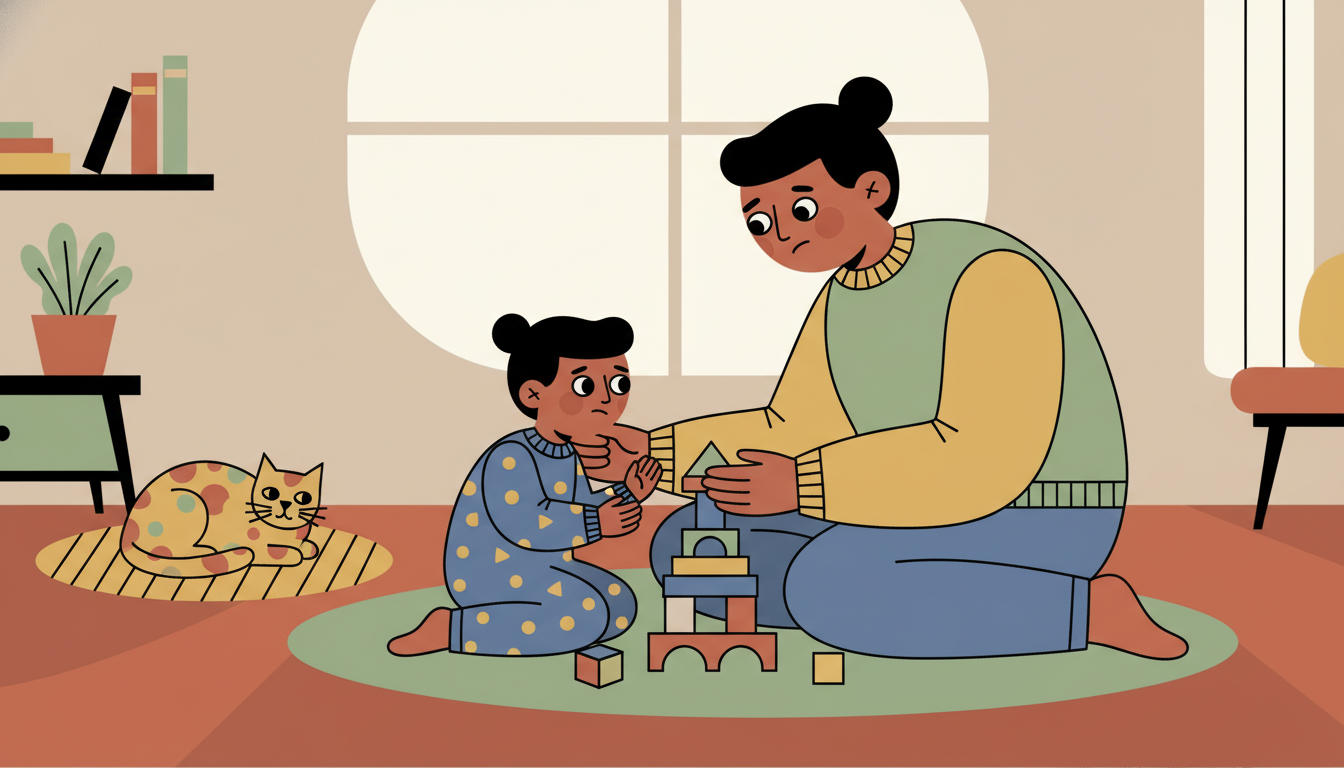
When something doesn't go as planned during play, like a block tower falling or a drawing not turning out right, sit with your child and talk about what happened. Ask how they feel and what might help them feel better. This normalizes disappointment and teaches that we can recover from small setbacks.
Part of the Imprint developmental journey — personalized to your child.
How to Do This Activity
When something doesn't go as planned during play, like a block tower falling or a drawing not turning out right, sit with your child and talk about what happened. Ask how they feel and what might help them feel better. This normalizes disappointment and teaches that we can recover from small setbacks.
Why It Works
Discussing feelings after challenges builds emotional regulation skills that form the foundation of resilience. Children with higher emotional and behavioral resilience show significantly better outcomes in managing stress and adapting to difficulties (Liew et al., 2008). This practice helps children develop the self-awareness and coping strategies that protect against anxiety and depression later in life.
Tips for Parents
Use simple feeling words like sad, frustrated, or disappointed to help your child identify emotions.
Share a time when something similar happened to you and how you handled it.
Offer choices for what to do next, like trying again or doing something different.
Materials Needed
None
Learning Methods
Project-Based LearningInquiry-Based LearningStructured Learning Activities

Loved this activity? Let us do the planning for you.
Imprint personalizes every activity to your child — their interests, their stage, the traits they're building — so playtime is more fun and every moment counts.
Science-backed. Private by design. No spam.