Feelings about honesty
3–4 yearsSuccess MindsetNo materials needed
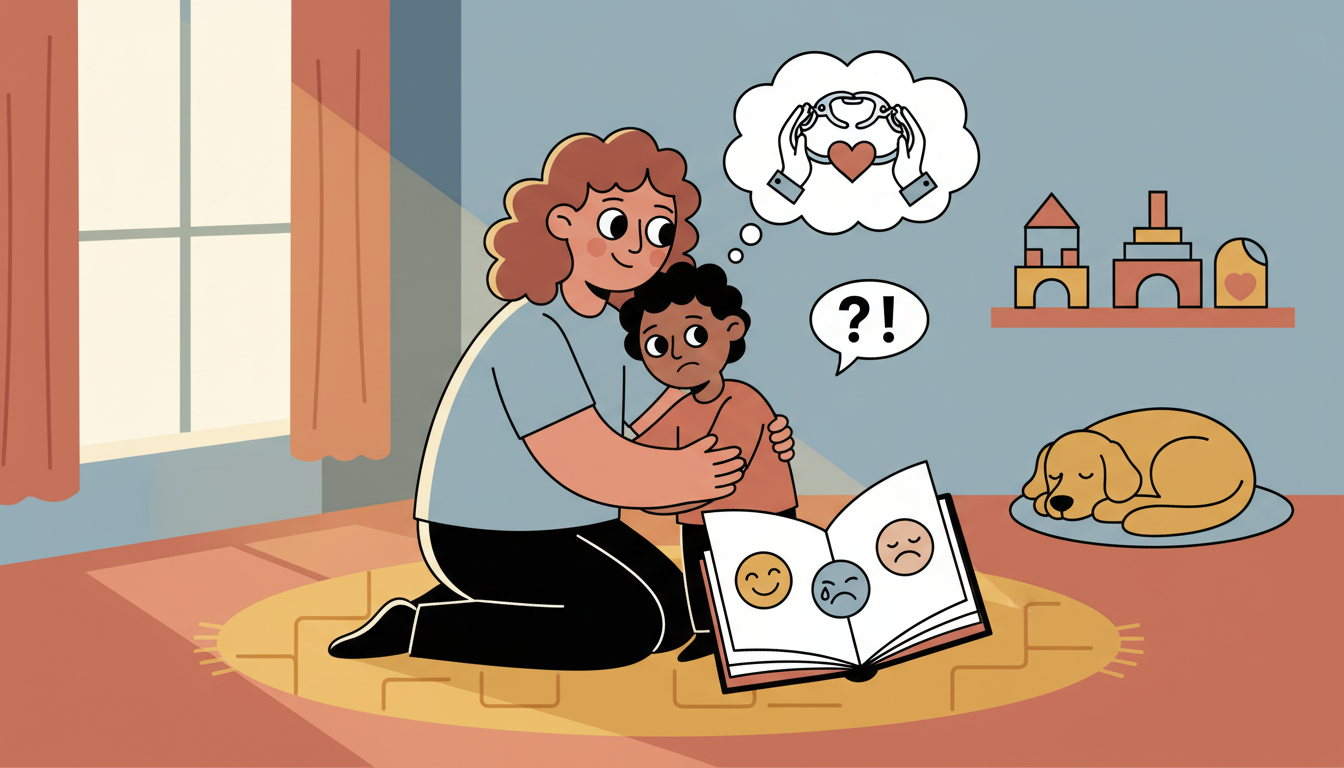
When honesty situations arise naturally, talk about the feelings involved. Discuss how it feels to tell the truth, how it feels when someone lies to us, and how trust makes relationships feel safe. Use simple emotion words your child knows. This connects integrity to emotional understanding.
Part of the Imprint developmental journey — personalized to your child.
How to Do This Activity
When honesty situations arise naturally, talk about the feelings involved. Discuss how it feels to tell the truth, how it feels when someone lies to us, and how trust makes relationships feel safe. Use simple emotion words your child knows. This connects integrity to emotional understanding.
Why It Works
Children who demonstrate truthfulness and accountability show stronger trust-building capabilities, correlating with better collaborative relationships and academic success (Hoffman, 2000). At 36-48 months, emotional understanding is developing rapidly. Connecting honesty to feelings helps children internalize why integrity matters beyond just following rules.
Tips for Parents
Share your own feelings about honesty in simple terms. "I feel proud when I tell the truth, even when it's hard."
Validate your child's feelings about difficult honesty moments. "It can feel scary to tell the truth sometimes. I'm proud of you for being brave."
Materials Needed
None
Learning Methods
Narrative and Literacy-Rich ExperiencesCollaborative and Cooperative PlayInquiry-Based Learning

Loved this activity? Let us do the planning for you.
Imprint personalizes every activity to your child — their interests, their stage, the traits they're building — so playtime is more fun and every moment counts.
Science-backed. Private by design. No spam.