Emotion show and tell
3–4 yearsFamily ConnectionNo materials needed
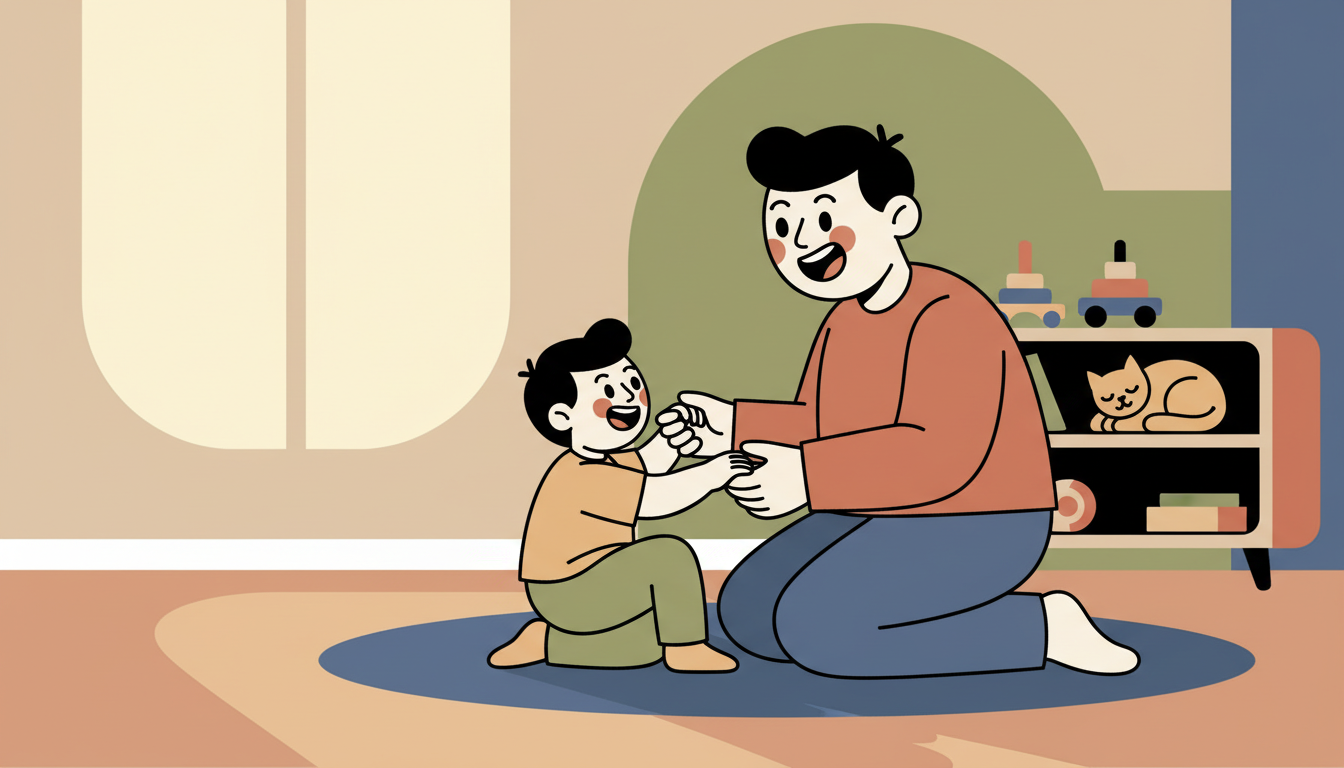
Set aside time during your activity to practice making different feeling faces together. Take turns showing emotions like happy, sad, angry, scared, or surprised with your face and body. After each one, talk about when you might feel that way. You can say, 'Show me your sad face. When do you feel sad? I feel sad when I miss someone I love.' Then ask your child to guess which emotion you're showing and share when they feel that way too.
Part of the Imprint developmental journey — personalized to your child.
How to Do This Activity
Set aside time during your activity to practice making different feeling faces together. Take turns showing emotions like happy, sad, angry, scared, or surprised with your face and body. After each one, talk about when you might feel that way. You can say, 'Show me your sad face. When do you feel sad? I feel sad when I miss someone I love.' Then ask your child to guess which emotion you're showing and share when they feel that way too.
Why It Works
When parents show empathy and model emotional awareness, they create a safe space for children to express themselves and develop their own empathy (Bhansali, 2023). At this age, children can recognize emotions in faces and body language, a key skill for empathy. Practicing emotion recognition through play makes learning fun while building the foundation for understanding how others feel. This shared emotional experience strengthens your connection and teaches emotional literacy.
Tips for Parents
Make it playful by exaggerating your expressions and movements.
Start with basic emotions before introducing more complex ones like frustrated or disappointed.
Share real examples from your own life to show that everyone has feelings.
Materials Needed
None
Learning Methods
Narrative and Literacy-Rich ExperiencesCollaborative and Cooperative PlayInquiry-Based Learning

Loved this activity? Let us do the planning for you.
Imprint personalizes every activity to your child — their interests, their stage, the traits they're building — so playtime is more fun and every moment counts.
Science-backed. Private by design. No spam.