Color match game

2–3 yearsEmotional WellbeingMaterials: Household objects in different colors and colored paper or containers

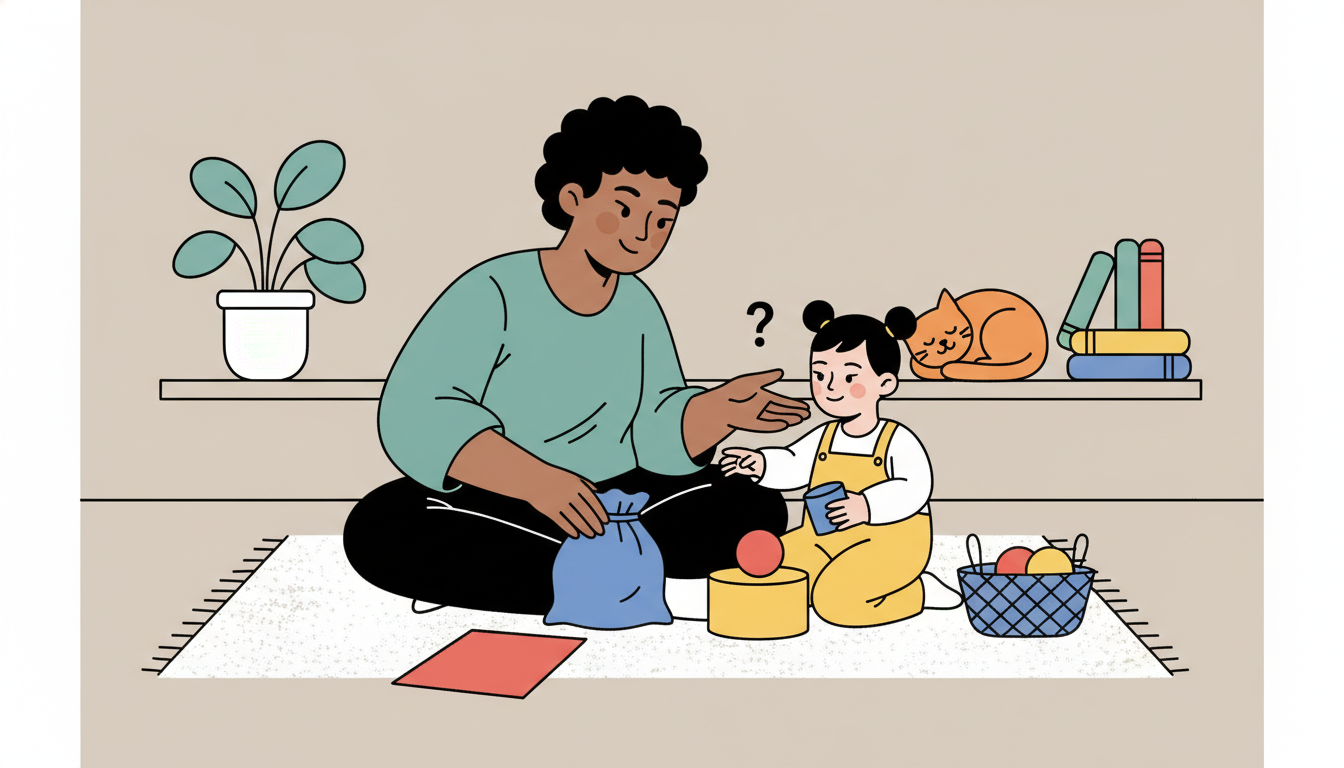
Gather objects of two or three different colors and play a matching game. Place colored paper or containers in front of your child and ask them to find things that match each color. When they pick the wrong color, don't immediately correct them. Instead, ask, 'Does that match?' and let them look again. This gentle prompting helps them learn to self-correct and persist when something doesn't work the first time. The simple challenge matches their ability to categorize by one attribute while building tolerance for making mistakes.

Part of the Imprint developmental journey — personalized to your child.
Color match game

How to Do This Activity

Gather objects of two or three different colors and play a matching game. Place colored paper or containers in front of your child and ask them to find things that match each color. When they pick the wrong color, don't immediately correct them. Instead, ask, 'Does that match?' and let them look again. This gentle prompting helps them learn to self-correct and persist when something doesn't work the first time. The simple challenge matches their ability to categorize by one attribute while building tolerance for making mistakes.

Why It Works

This activity builds cognitive resilience through manageable challenges that match developmental capabilities. Research shows that children with multi-domain resilience profiles, including cognitive resilience, demonstrate significantly better outcomes (Oh et al., 2022). The self-correction process teaches children that they can recognize and fix their own mistakes, building both problem-solving skills and emotional regulation. Your supportive scaffolding during this task helps establish the foundation for self-regulatory competence that supports lifelong resilience.

Tips for Parents

Start with very different colors like red and blue to make success more likely. Build confidence before adding challenge. When your child self-corrects, celebrate it. Say, 'You figured out where it goes,' which reinforces the value of trying again. Keep the game short, around five to eight minutes. This matches their attention span and keeps frustration manageable.

Materials Needed

Household objects in different colors and colored paper or containers

Learning Methods

Interactive Play-Based LearningSymbolic and Pretend PlaySocial Learning Through Peers

Loved this activity? Let us do the planning for you.

Imprint personalizes every activity to your child — their interests, their stage, the traits they're building — so playtime is more fun and every moment counts.

Science-backed. Private by design. No spam.

Learn how Imprint works →