Today's good things
2–3 yearsEmotional WellbeingNo materials needed
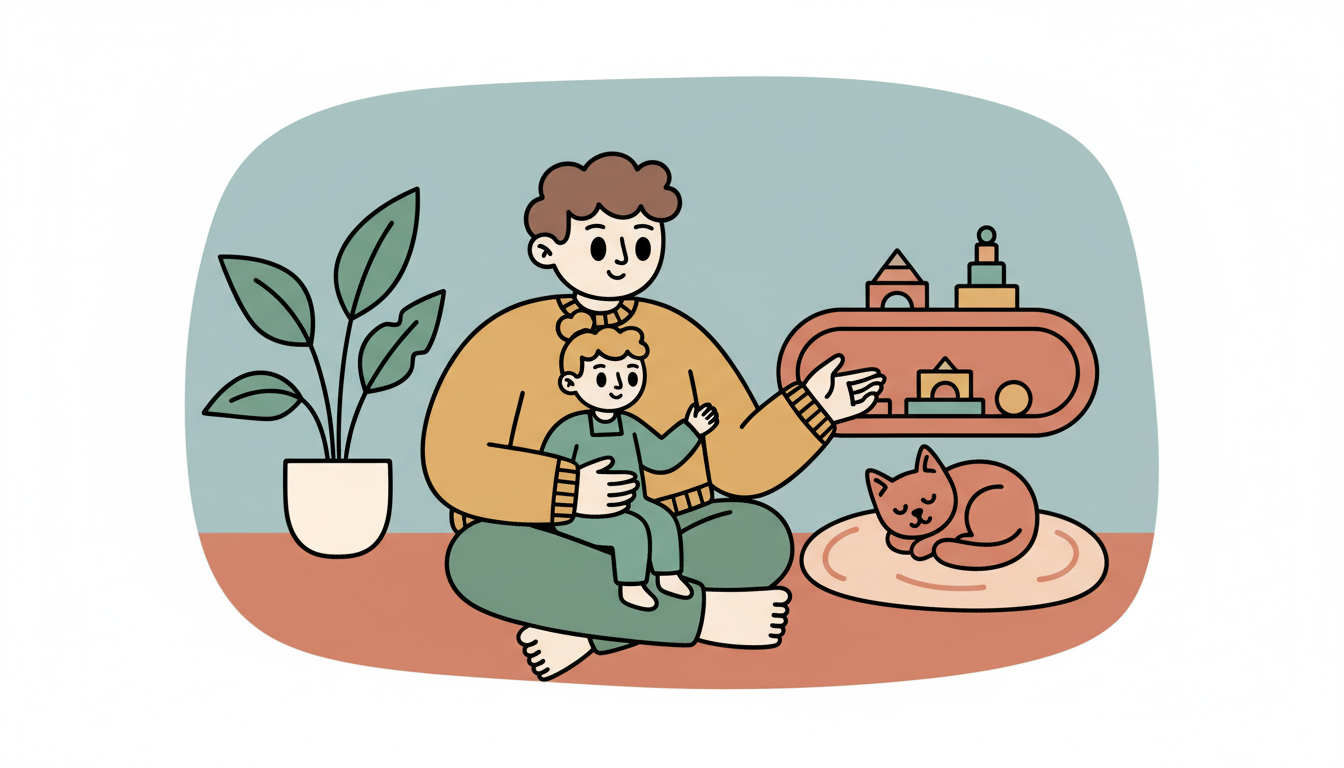
During your daily routine, pause for a moment to talk about good things that happened. You might say, "We had fun at the park today" or "You helped put away the toys." Keep it simple and focus on specific moments. This helps your child notice positive experiences in their day.
Part of the Imprint developmental journey — personalized to your child.
How to Do This Activity
During your daily routine, pause for a moment to talk about good things that happened. You might say, "We had fun at the park today" or "You helped put away the toys." Keep it simple and focus on specific moments. This helps your child notice positive experiences in their day.
Why It Works
This activity builds the foundation for optimistic thinking by training children to notice positive experiences. Research shows that optimism is linked to higher life satisfaction and better health outcomes, with optimistic individuals developing resilience when viewing challenges as surmountable (Carver, C. S., Scheier, M. F., & Segerstrom, S. C. (2010). Optimism. Clinical Psychology Review, 30(7), 879-889.). Starting this practice early helps children develop the habit of recognizing good things in their daily lives, which shapes their overall outlook.
Tips for Parents
Start with just one or two good things. Your child may not respond much at first, and that's okay.
Use concrete examples they can remember. Talk about what you saw, heard, or did together.
Make it a regular part of your routine, like during a meal or before bed. Consistency helps this become natural.
Materials Needed
None
Learning Methods
Songs, Stories, and RhymesSymbolic and Pretend PlaySocial Learning Through Peers

Loved this activity? Let us do the planning for you.
Imprint personalizes every activity to your child — their interests, their stage, the traits they're building — so playtime is more fun and every moment counts.
Science-backed. Private by design. No spam.