Timer turn taking
2–3 yearsFamily ConnectionMaterials: Kitchen timer or phone timer
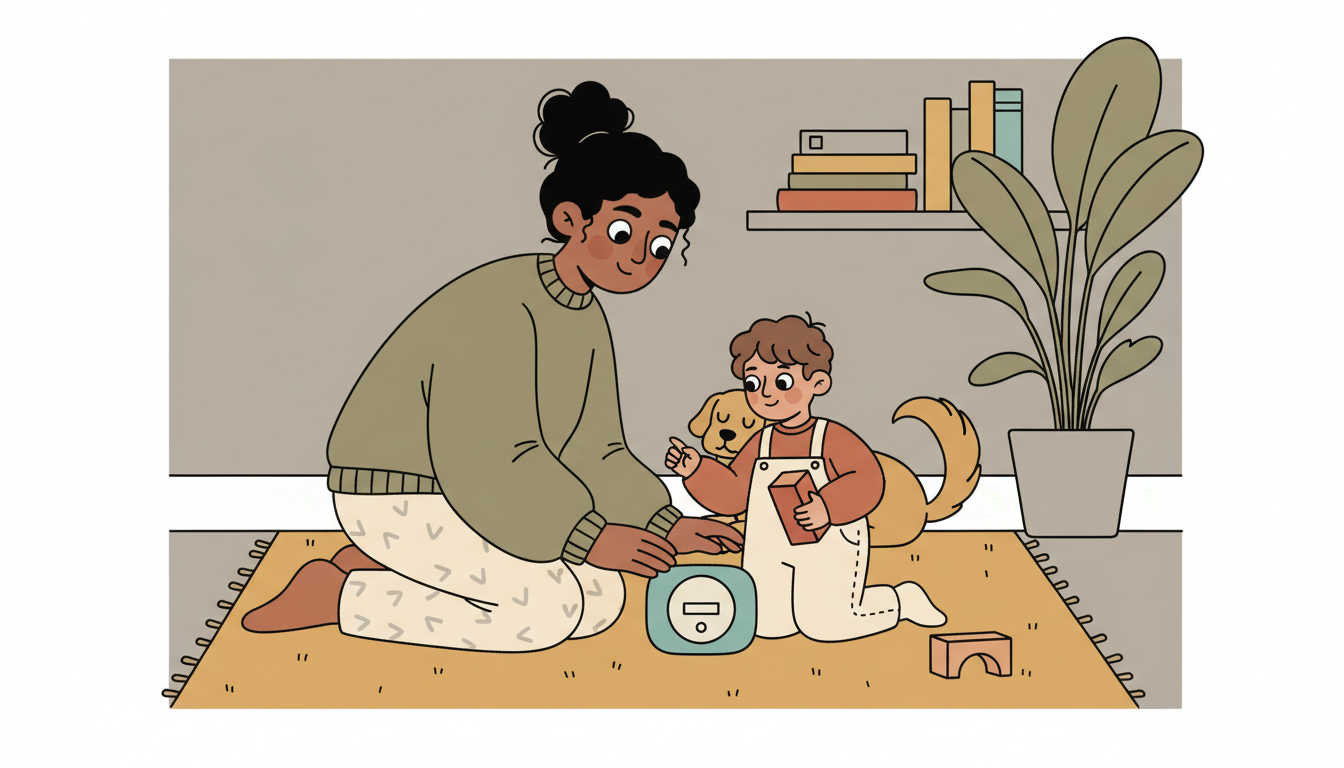
When siblings or playmates both want the same toy, set a simple timer for three minutes. Say 'First, Alex gets a turn until the timer beeps. Then Jordan gets a turn.' Make the wait visible by showing the timer. When it beeps, calmly facilitate the switch. Praise both children for waiting and sharing.
Part of the Imprint developmental journey — personalized to your child.
How to Do This Activity
When siblings or playmates both want the same toy, set a simple timer for three minutes. Say 'First, Alex gets a turn until the timer beeps. Then Jordan gets a turn.' Make the wait visible by showing the timer. When it beeps, calmly facilitate the switch. Praise both children for waiting and sharing.
Why It Works
Concrete time limits make abstract concepts like fairness and turn-taking tangible. This structured approach to compromise teaches conflict resolution in a neutral, non-emotional way. Adults who effectively manage disagreements report 45% lower stress levels and higher relationship satisfaction (Laursen & Collins, 2009).
Tips for Parents
Start with very short intervals that feel manageable. Stay nearby to support the transition when the timer goes off. If the first child resists, acknowledge their feelings while staying firm. 'I know it's hard to stop. The timer says it's Jordan's turn now.'
Materials Needed
Kitchen timer or phone timer
Learning Methods
Social Learning Through PeersSymbolic and Pretend PlayInteractive Play-Based Learning

Loved this activity? Let us do the planning for you.
Imprint personalizes every activity to your child — their interests, their stage, the traits they're building — so playtime is more fun and every moment counts.
Science-backed. Private by design. No spam.