Pause before responding
6–12 monthsSuccess MindsetNo materials needed
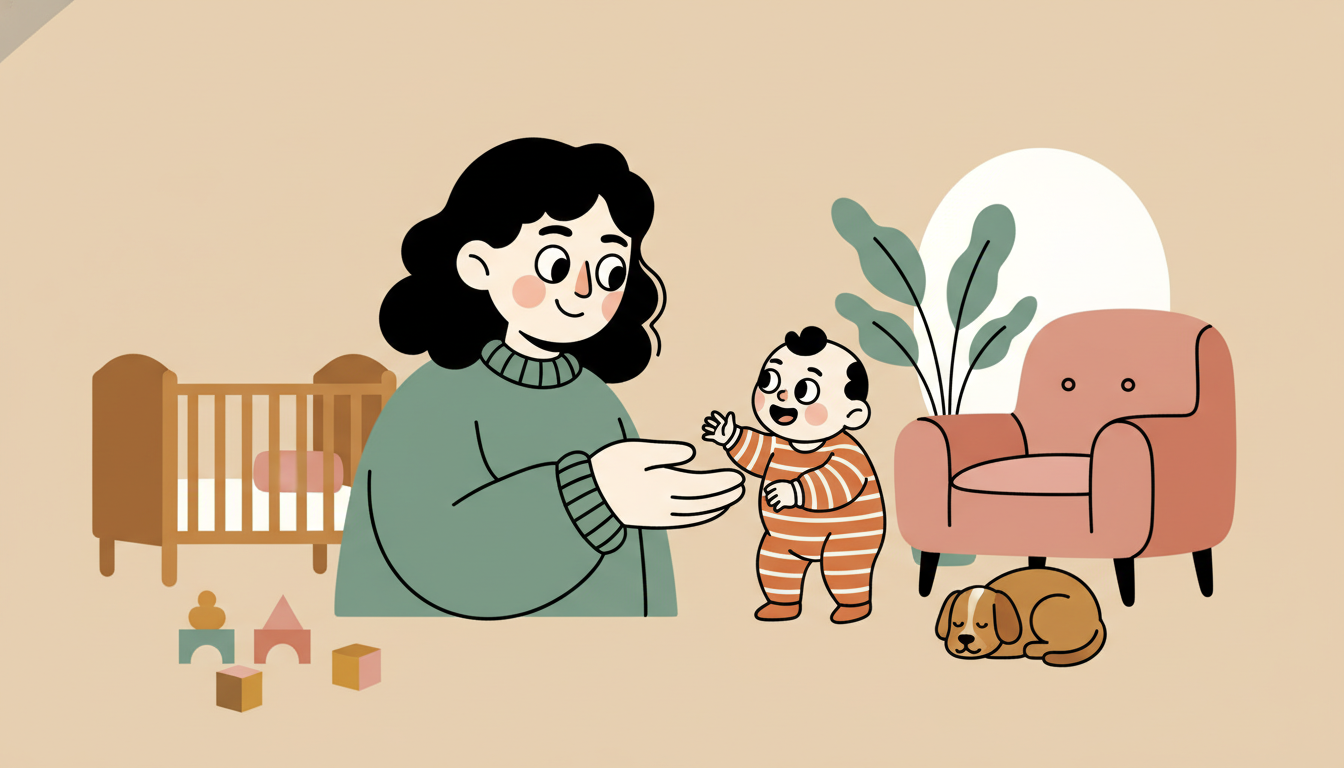
When your child babbles or makes sounds to get your attention, make eye contact and smile, then wait two to three seconds before responding with words or actions. This brief pause is not ignoring but rather giving your child a moment to experience anticipation. It teaches that communication involves brief waiting periods and turn-taking.
Part of the Imprint developmental journey — personalized to your child.
How to Do This Activity
When your child babbles or makes sounds to get your attention, make eye contact and smile, then wait two to three seconds before responding with words or actions. This brief pause is not ignoring but rather giving your child a moment to experience anticipation. It teaches that communication involves brief waiting periods and turn-taking.
Why It Works
Responsive interaction with appropriate pauses builds neural connections that support self-regulation and executive function. These serve-and-return exchanges are crucial for brain development. Research shows that self-regulation capacities developed early in life predict later academic achievement and success across multiple domains (Blair, C., & Diamond, A., 2008).
Tips for Parents
Keep your expression warm and engaged during the pause so your child knows you heard them.
Start with very short pauses and lengthen gradually over weeks.
Respond consistently after the pause so your child learns to trust the pattern.
Materials Needed
None
Learning Methods
Repetition and RoutineResponsive Interaction

Loved this activity? Let us do the planning for you.
Imprint personalizes every activity to your child — their interests, their stage, the traits they're building — so playtime is more fun and every moment counts.
Science-backed. Private by design. No spam.