Tune into baby's cues
6–12 monthsFamily ConnectionNo materials needed
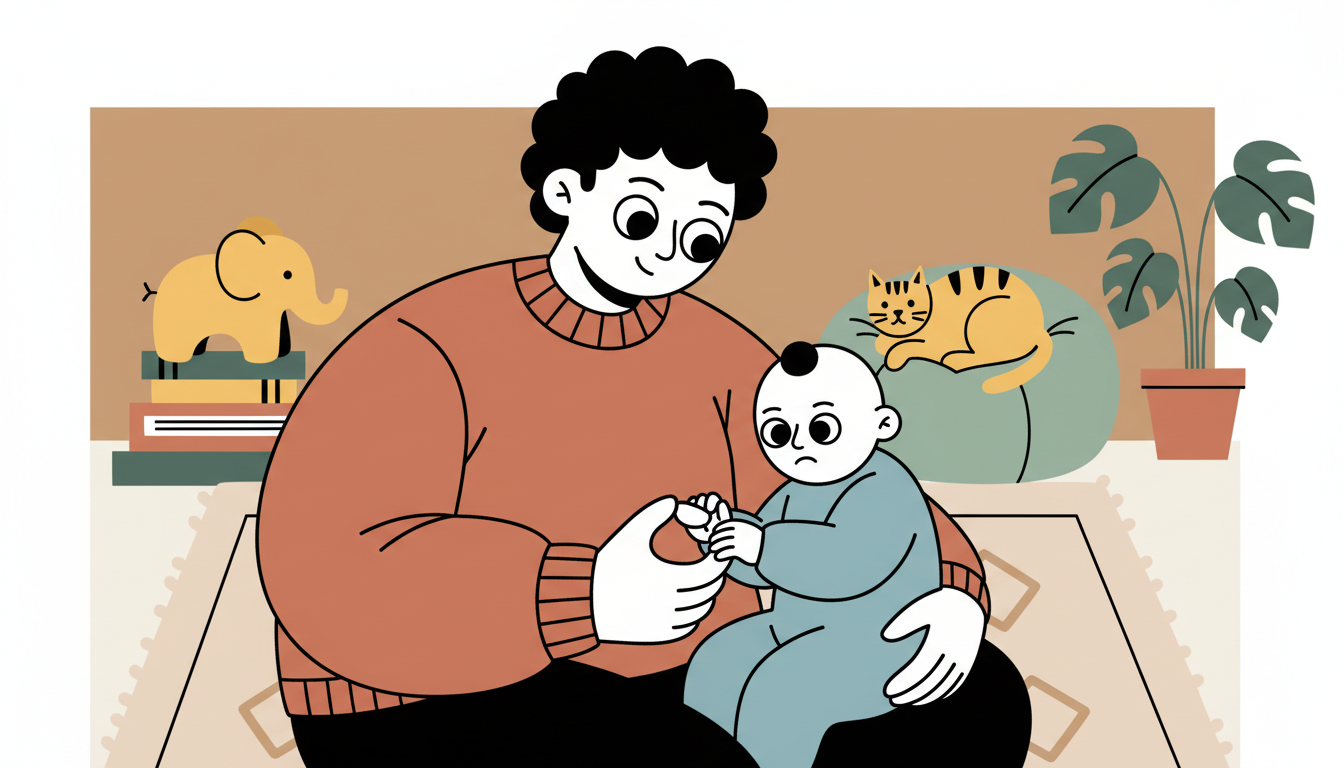
During your time together, practice reading your baby's signals before they escalate. Notice the small signs that show how they're feeling. A slight furrow in their brow might mean they're getting frustrated. Looking away might mean they need a break. Yawning or rubbing eyes might signal tiredness. When you respond to these early cues, you show your baby that their subtle communications are understood.
Part of the Imprint developmental journey — personalized to your child.
How to Do This Activity
During your time together, practice reading your baby's signals before they escalate. Notice the small signs that show how they're feeling. A slight furrow in their brow might mean they're getting frustrated. Looking away might mean they need a break. Yawning or rubbing eyes might signal tiredness. When you respond to these early cues, you show your baby that their subtle communications are understood.
Why It Works
Learning to read and respond to your baby's cues builds emotional attunement, which is the foundation of empathy. When you respond sensitively to your infant's emotional states, even subtle ones, you model the attentiveness that develops into empathy (Hoffman, 2000). Research confirms that this sensitive responding predicts children's social competence and ability to understand others' perspectives and feelings (Liu et al., 2020; Sánchez-Pérez et al., 2018).
Tips for Parents
It takes time to learn your baby's unique signals. Be patient with yourself.
Each baby communicates differently. What you learn about your baby is valuable.
Responding to early cues often prevents bigger upsets later.
Materials Needed
None
Learning Methods
Responsive InteractionSensory Exploration

Loved this activity? Let us do the planning for you.
Imprint personalizes every activity to your child — their interests, their stage, the traits they're building — so playtime is more fun and every moment counts.
Science-backed. Private by design. No spam.