Mirror face emotions
6–12 monthsEmotional WellbeingNo materials needed
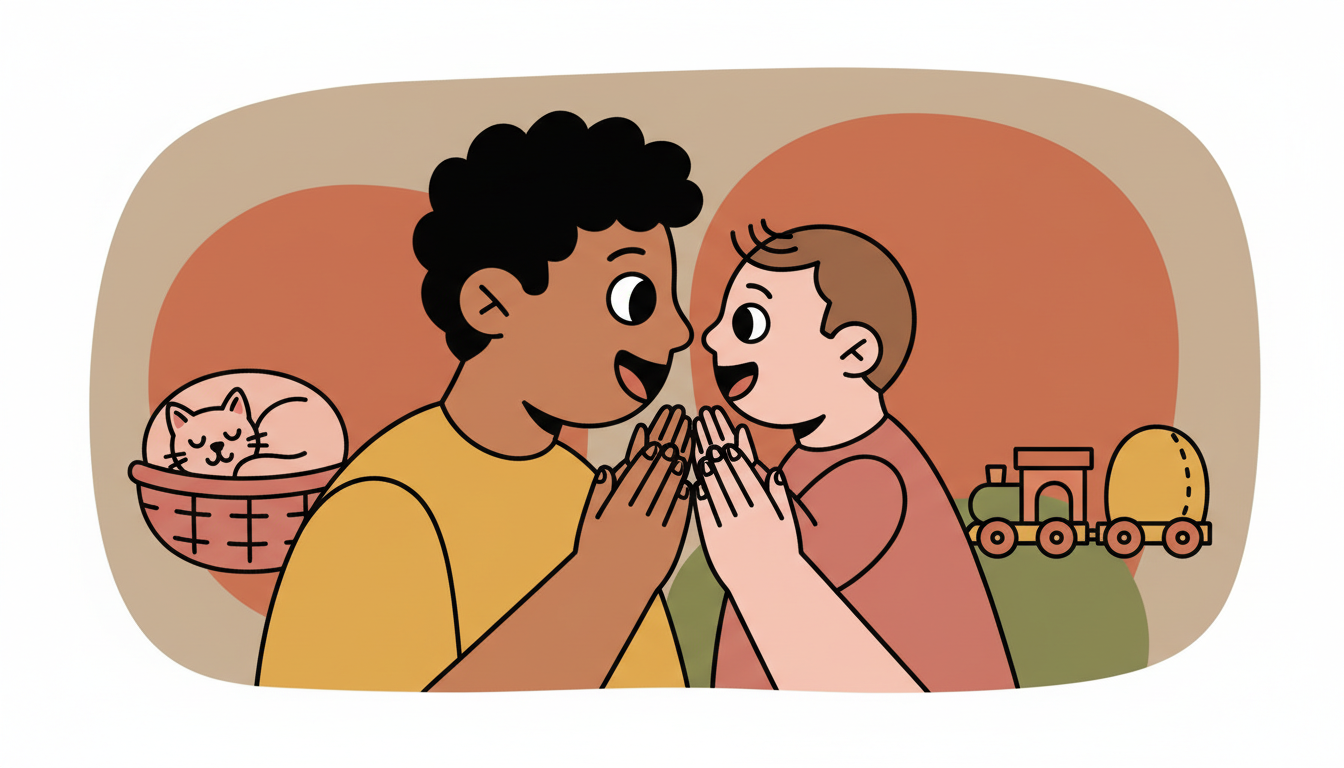
When your child makes a face or expresses an emotion, mirror their facial expression back to them. Pause and wait for their response. Repeat with different expressions throughout your day together.
Part of the Imprint developmental journey — personalized to your child.
How to Do This Activity
When your child makes a face or expresses an emotion, mirror their facial expression back to them. Pause and wait for their response. Repeat with different expressions throughout your day together.
This simple back-and-forth builds their awareness that their emotions matter and are worth noticing.
Why It Works
Mirroring emotions helps infants develop emotional awareness and regulation through responsive interaction. When caregivers reflect back a child's emotional expressions, they build neural connections that support emotional recognition and self-awareness. This foundational work in early childhood leads to better emotional intelligence and regulation skills in adulthood (Goleman, 1995).
Tips for Parents
Start with one expression at a time so your child can focus. You might mirror a smile, a frown, or a surprised look.
Keep sessions short, around 1-2 minutes. Your child will let you know when they're ready to move on to something else.
Materials Needed
None
Learning Methods
Responsive InteractionSensory Exploration

Loved this activity? Let us do the planning for you.
Imprint personalizes every activity to your child — their interests, their stage, the traits they're building — so playtime is more fun and every moment counts.
Science-backed. Private by design. No spam.