Co-regulation during upset
6–12 monthsFamily ConnectionNo materials needed
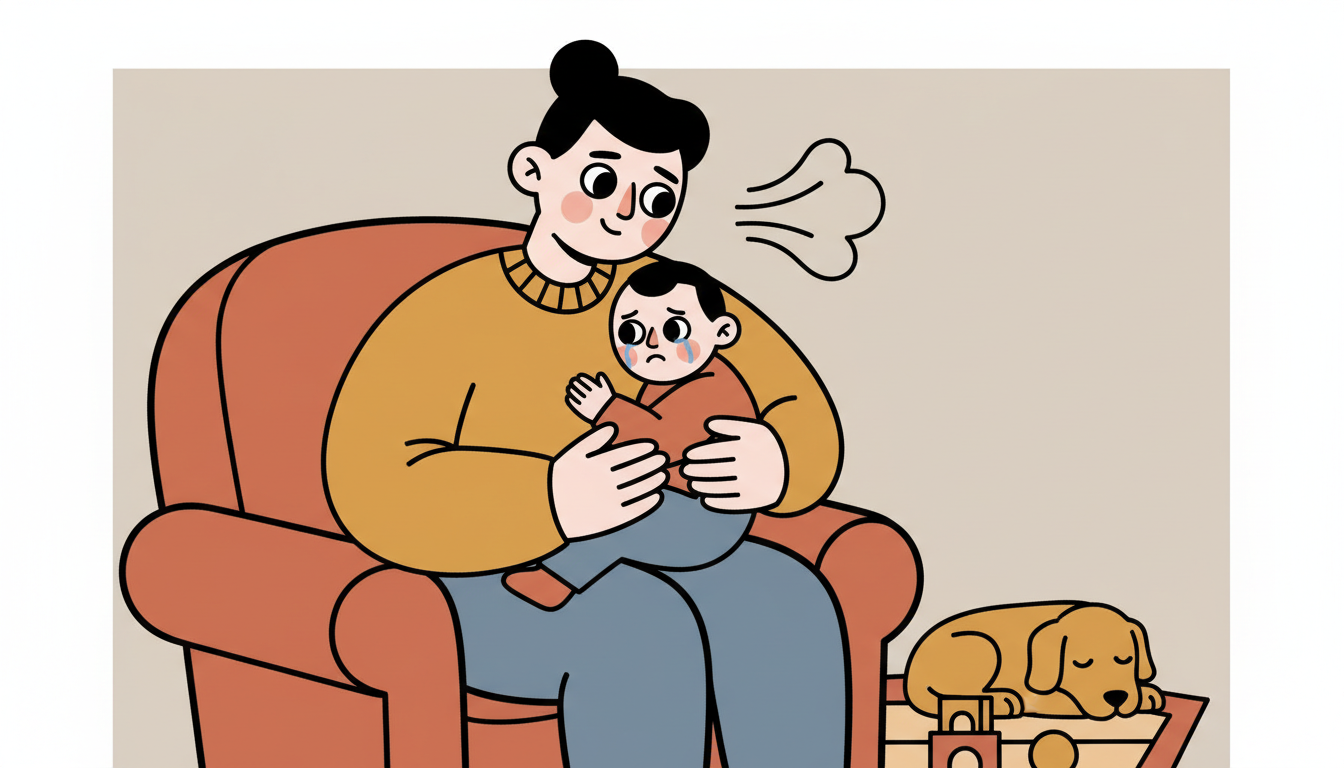
When your child is crying or distressed, sit close and breathe slowly and deeply. Speak in a quiet, rhythmic voice. Your regulated state helps your child move from upset to calm. This teaches them that intense emotions can be managed with support from others.
Part of the Imprint developmental journey — personalized to your child.
How to Do This Activity
When your child is crying or distressed, sit close and breathe slowly and deeply. Speak in a quiet, rhythmic voice. Your regulated state helps your child move from upset to calm. This teaches them that intense emotions can be managed with support from others.
Why It Works
Co-regulation experiences become the foundation for self-regulation and conflict resolution. When you help your child navigate distress calmly, these external regulation experiences become internal capacities. Research shows that children who demonstrate effective conflict resolution skills show 40% better social competence and leadership abilities (Johnson & Johnson, 1996). Your calm presence during their distress now builds the neural foundation for these future capabilities.
Tips for Parents
Focus on keeping your own body calm and breathing steady before trying to calm your child.
Use simple, repeated phrases like "I'm here" or "You're okay" in a soothing rhythm.
Stay present even if calming takes several minutes. Your patient presence is teaching an important skill.
Materials Needed
None
Learning Methods
Responsive Interaction

Loved this activity? Let us do the planning for you.
Imprint personalizes every activity to your child — their interests, their stage, the traits they're building — so playtime is more fun and every moment counts.
Science-backed. Private by design. No spam.